
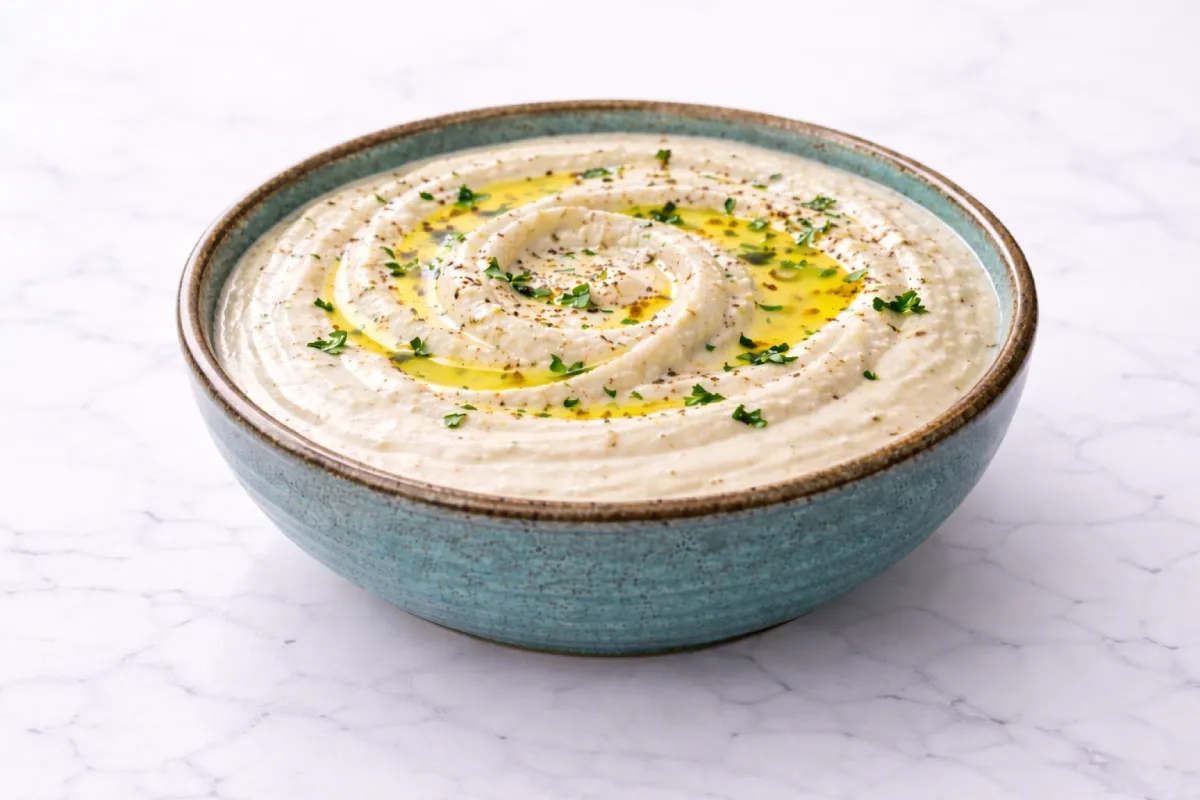
Pharaoh sauce always feels like it’s been waiting for you.
Not flashy. Not loud. Just… there.
The first time it hit my tongue, I paused. Wait… have I had this before?
Creamy warmth. A gentle garlic hum. That mellow spice that doesn’t rush you.
Actually… no… I hadn’t had this sauce before.
But my body recognized it anyway.
Like muscle memory. Like coming home after a long drive.
That’s the magic of shawarma sauce.
It doesn’t introduce itself. It wraps around you.
Table Of Contents
Table of Contents

Pharaoh Sauce: The Cozy, Golden Sauce That Feels Like Home
A calm, naturally vibrant infusion made from purple tea leaves. Light, smooth, and balanced, this recipe can be enjoyed hot or iced and adapted with gentle additions like ginger, clove, lemon, or mint.
- Total Time: 9 minutes
- Yield: 1 serving
Ingredients
Loose leaf purple tea
Fresh filtered water
Optional: fresh ginger slices
Optional: whole clove
Optional: lemon peel or juice
Optional: fresh mint leaves
Instructions
1. Heat water to 175–185°F.
2. Add 1 teaspoon of loose leaf purple tea to a teapot or infuser.
3. Pour 8 ounces of hot water over the leaves.
4. Steep for 3–4 minutes.
5. Strain and serve plain, or add optional ingredients gently.
6. For iced tea, add 1 tablespoon of purple tea to 1 liter of cold water and steep in the refrigerator for 10–12 hours, then strain and serve over ice.
Notes
Avoid boiling water to preserve the smooth flavor.
A second infusion can be brewed with the same leaves.
Add only small amounts of ginger, clove, lemon, or mint to avoid overpowering the tea.
- Prep Time: 5 minutes
- Cook Time: 4 minutes
- Category: Beverage
- Method: Infusion
- Cuisine: Tea
- Diet: Vegan
Nutrition
- Serving Size: 1 cup
- Calories: 0
- Sugar: 0 g
- Sodium: 0 mg
- Fat: 0 g
- Saturated Fat: 0 g
- Unsaturated Fat: 0 g
- Trans Fat: 0 g
- Carbohydrates: 0 g
- Fiber: 0 g
- Protein: 0 g
- Cholesterol: 0 mg
What Is Pharaoh Sauce, Really?
Egyptian garlic sauce isn’t a single recipe.
It’s a feeling, dressed up as a sauce.
I remember standing at a counter once, spoon hovering, thinking, Is this just garlic sauce?
Actually… no… it’s softer than that. Warmer. More forgiving.
The soul of spiced white sauce includes:
- Creamy richness without heaviness
- Garlic that whispers instead of shouts
- Warm spices that bloom slowly
- A balanced tang that keeps things honest
It smells faintly nutty and savory.
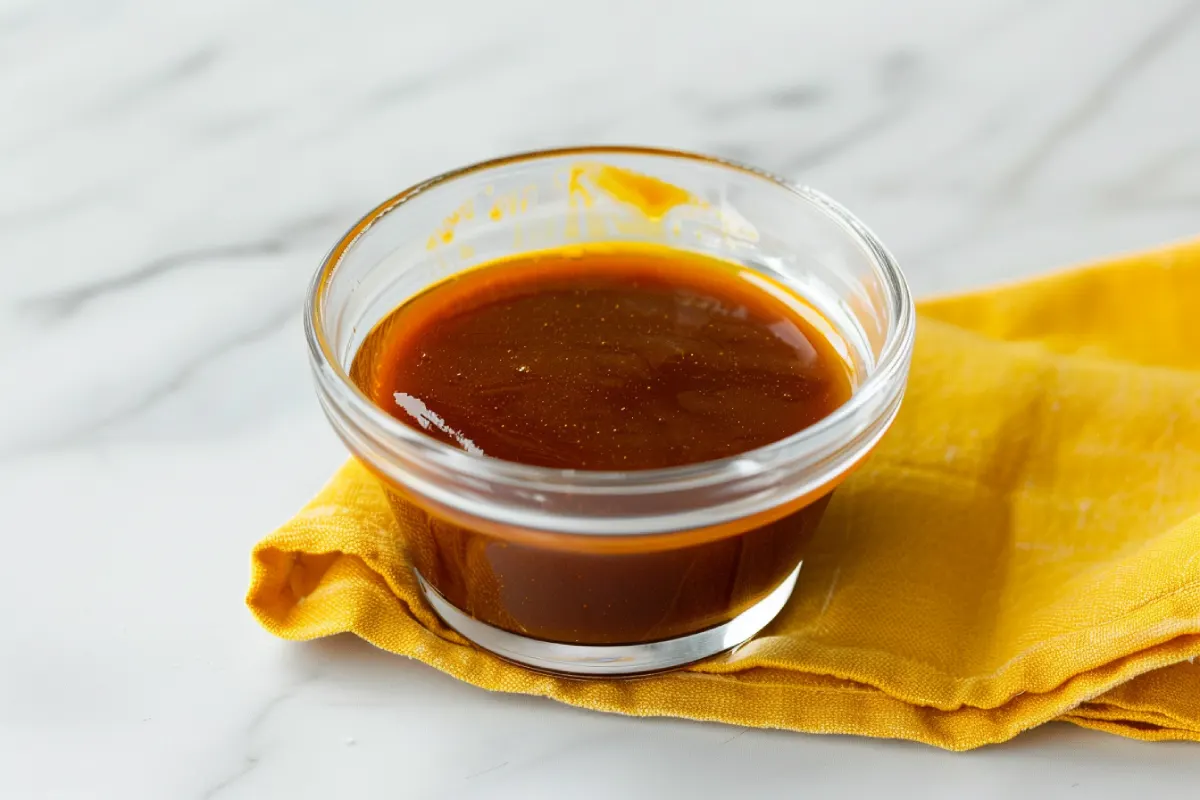
The texture? Silky, like it’s been stirred with patience.
Test note:
If it coats the back of a spoon and leaves a slow trail when you swipe your finger, you’re right on track.
Why this creamy garlic yogurt sauce Feels So Comforting
This creamy garlic dressing doesn’t rush.
It lingers.
The aroma alone — warm garlic, a hint of spice — feels like a kitchen that’s been busy all afternoon.
Wait… why does this calm me down?
Actually… no… it’s not the sauce.
It’s what it reminds us of.
Comfort comes from:
- Fat + acid balance (the brain loves it)
- Warm spices that signal nourishment
- Creamy texture that feels safe
There’s an old idiom my grandmother loved: “Good food holds your hand.”
This sauce does exactly that.
Test note:
Serve it warm, not hot. Heat dulls its tenderness.
The Origins Behind the middle eastern garlic sauce
Pharaoh sauce gets its name from Middle Eastern–inspired kitchens, where sauces weren’t accessories — they were anchors.
I once asked a cook where it came from.
He shrugged. “It’s just how my mother made it.”
Wait… that was the answer.
Actually… no… that was the origin.
Historically inspired by:
- Levantine garlic sauces
- Egyptian spice profiles
- Street-food shawarma accompaniments
The smell of toasted spice still reminds me of open markets.
Metal pans clinking. Steam rising. Life happening.
Test note:
Don’t over-spice. Pharaoh sauce is about harmony, not heat.
Classic Pharaoh Sauce Ingredients (And Why They Matter)
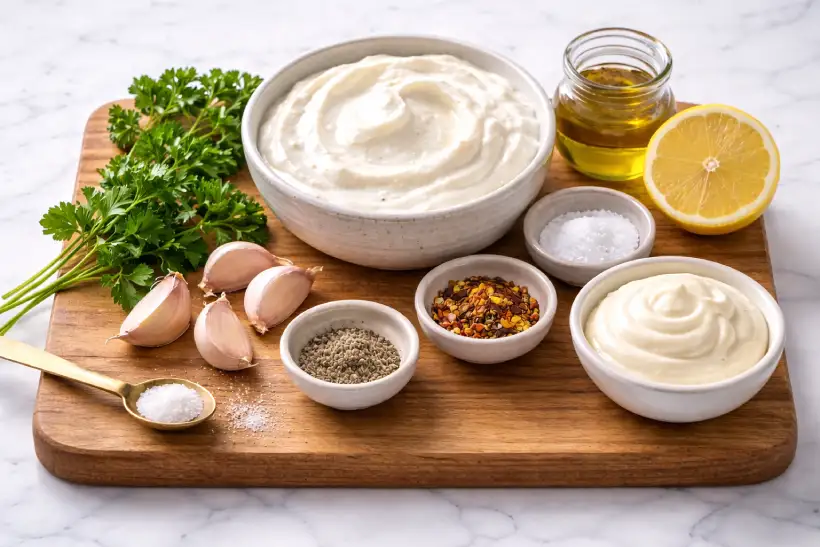
Every ingredient in this homemade sauce has a job.
Nothing is accidental.
I’ve tried shortcuts. Wait… why does this taste flat?
Actually… no… it wasn’t the recipe. It was the balance.
Core ingredients:
- Mayonnaise — for body and silkiness
- Greek yogurt or sour cream — gentle tang
- Fresh garlic — warmth, not bite
- Lemon juice — brightness
- Cumin or coriander — earthy depth
- Salt — quiet backbone
The texture should feel cool but lush.
The smell should make you lean in.
Test note:
Grate garlic instead of mincing for a smoother sauce.
How to Make Pharaoh Sauce at Home (Step-by-Step)
This is where the kitchen gets quiet.
No rushing. No distractions.
I always pause before starting. Wait… am I tasting as I go?
Actually… no… slow down.
Step-by-step method:

- Whisk together ½ cup mayonnaise and ¼ cup Greek yogurt until smooth
- Grate 1–2 garlic cloves directly into the bowl
- Add 1 tablespoon fresh lemon juice
- Sprinkle in cumin or coriander, about ½ teaspoon
- Season with salt, start small
- Whisk slowly, letting air smooth everything out
The sound of the whisk matters — soft, steady, patient.
Test note:
Rest the sauce 15–20 minutes before serving. Flavor needs time to settle.
Common Mistakes That Ruin Pharaoh Sauce
I’ve made them all. Every single one.
Wait… why does this taste harsh?
Actually… no… I know why.
Mistakes to avoid:
- Too much garlic (it blooms later and overwhelms)
- Cold ingredients straight from the fridge
- Over-acidifying with lemon
- Skipping the rest time
An old idiom applies here: “You can’t rush a good thing.”
Test note:
If it tastes sharp, add a teaspoon of yogurt — not mayo.
Pharaoh Sauce vs. Garlic Sauce vs. Tzatziki
People love comparisons.
I get it.
But pharaoh sauce lives in its own lane.
Wait… isn’t this just garlic sauce?
Actually… no… and here’s why.
Key differences:
- Garlic sauce (toum) → sharp, emulsified, punchy
- Tzatziki → cucumber-forward, cold, herbal
- Pharaoh sauce → creamy, warm-spiced, balanced
Texture matters. Temperature matters. Intent matters.
Test note:
Serve pharaoh sauce slightly cool, not ice-cold.
Best Foods to Pair With Pharaoh Sauce
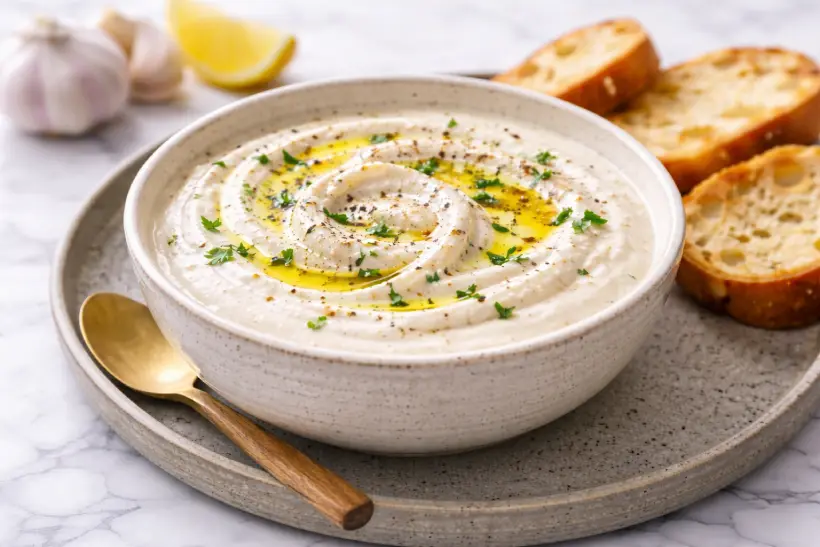
This sauce loves company.
The smell alone makes roasted food feel richer.
I once dipped a fry without thinking. Wait… oh.
Actually… no… that was perfect.
Ideal pairings:
- Shawarma and kebabs
- Roasted potatoes or sweet potatoes
- Grilled chicken or lamb
- Falafel and flatbreads
- Vegetable wraps
It clings beautifully — never slides off.
Test note:
Brush it lightly on warm meat, then drizzle more at the table.
Where This Sauce Really Shines
Sometimes, a sauce doesn’t change a recipe.
It wakes it up.
These are the moments where it actually makes sense.
With Shrimp Tacos
Drizzled over warm shrimp tacos, it does exactly what you hope.
It softens the heat, rounds out the spice, and brings everything together.
Especially good with crunchy slaw and grilled seafood.

Pairs naturally with dishes like Baja shrimp tacos
With Simple Mediterranean Shrimp

This is where the sauce feels almost obvious.
Shrimp, olive oil, herbs — and something creamy on the side.
It works best spooned on at the end, not cooked in.
A great match for Mediterranean shrimp skillet meals
With Roasted or Glazed Chicken
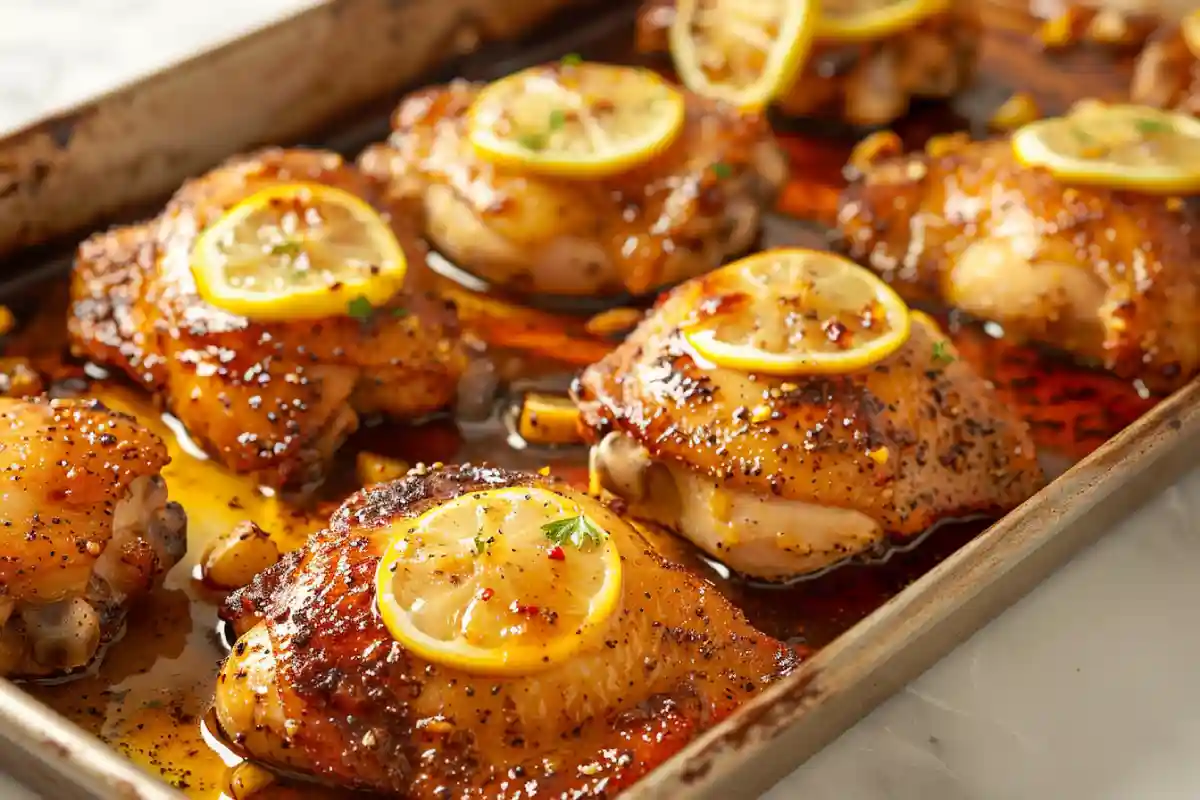
On roasted chicken, it’s all about contrast.
Sweet, savory meat meets something cool and creamy.
Not a glaze — a finish.
Especially good alongside honey garlic chicken thighs
How Restaurants Use Pharaoh Sauce
Restaurants know something home cooks forget.
Sauce is memory.
I’ve watched chefs spoon it with care. Wait… that’s intentional.
Actually… no… it’s reverence.
Professional uses:
- Base spread on wraps
- Drizzle finish on plated proteins
- Dip served warm-adjacent
The kitchen smells fuller when it’s around.
Test note:
Thin with a teaspoon of warm water for drizzle consistency.
Storing Pharaoh Sauce the Right Way
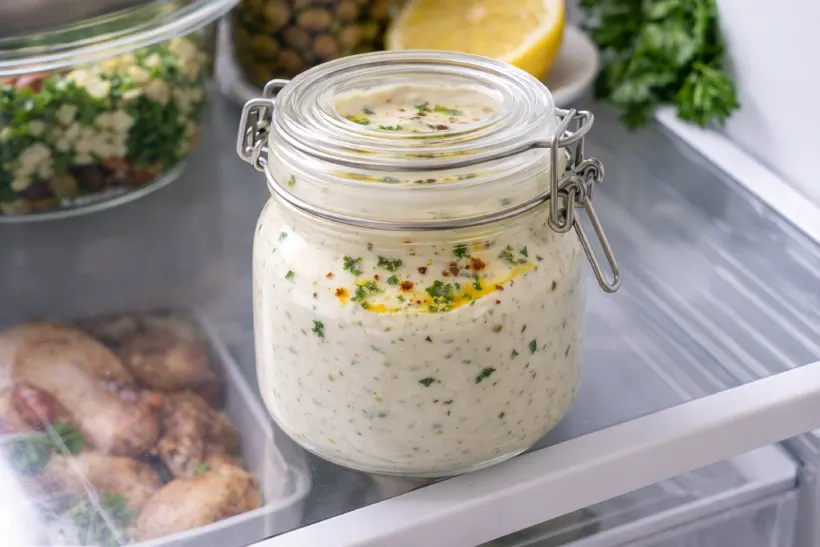
This part matters more than people admit.
I’ve pulled it out too cold before. Wait… why is it dull?
Actually… no… temperature.
Storage tips:
- Airtight container
- Refrigerate up to 5 days
- Stir gently before using
Let it sit 10 minutes at room temp before serving.
Test note:
Never freeze — texture breaks.
FAQ
What does it really taste like?
The first thing you notice is the creaminess.
Then the garlic shows up, soft and rounded.
Nothing jumps out too fast.
It just settles in and stays.
Is it meant to be spicy?
No, not spicy.
More warm than hot, if that makes sense.
The spices sit low and gentle.
They’re there, but they don’t lead.
Can I make it ahead of time?
Yes, and honestly, you probably should.
A little rest helps everything calm down.
Even a few hours changes the flavor.
Just stir it once before serving.
What foods does it work best with?
Anything warm, really.
Grilled meats, roasted vegetables, wraps.
If the food feels rich or heavy, this balances it.
That’s usually the sign.
How long will it last in the fridge?
About four or five days is safe.
Keep it sealed and don’t overthink it.
If it smells fresh, it usually is.
Let it sit out briefly before using.
Can I adjust it without ruining it?
Yes, it’s forgiving.
A little more yogurt softens everything.
Extra garlic deepens it, slowly.
Small tweaks are enough.
Is this a traditional recipe?
Not in a strict, fixed way.
It’s inspired by familiar regional flavors.
The kind of sauce people make by feel.
That’s what makes it personal.
If This Sauce Fails, Read This
First — pause.
It’s probably not ruined.
Most of the time, it’s just out of balance.
Too sharp. Too flat. Too cold.
That happens to everyone.
If it tastes harsh, give it a minute.
Garlic calms down with time.
A spoon of yogurt can soften a lot more than you think.
If it feels dull, don’t panic.
A small pinch of salt or a few drops of lemon usually wake it up.
Go slowly. Taste. Stop.
And if it’s still not right?
Step away for ten minutes.
Come back with fresh taste buds.
Sauces are forgiving.
They just ask you to listen.
What People Said About this sauce
Maya — Brooklyn, NY
“Grace, I made this last night without really measuring. I thought I messed it up at first, but after it sat for a bit, it worked. I ended up putting it on everything. Even bread. Just wanted to tell you.”
Thomas — Austin, TX
“Hey Grace. Tried the sauce with grilled chicken. Didn’t expect much, honestly. But it balanced the whole plate. Nothing loud, just right. My wife asked where I learned it.”
Leila — Dearborn, MI
“I grew up with similar flavors, so I was curious. This felt familiar but softer. I adjusted the garlic and let it rest longer. It tasted better the next day. Thought you’d like knowing that.”
Rachel — Portland, OR
“Made it on a Sunday when I didn’t feel like cooking much. It saved dinner. That’s really it. Simple, but it helped.”
Conclusion
Some recipes arrive with a lot of noise around them.
This one doesn’t.
It slips into your routine quietly.
You make it once, then again a few weeks later.
Not because you planned to, but because it made things easier.
It works on busy nights and slower ones.
When the fridge is half empty.
When dinner feels a little undecided.
There’s no moment where you stop and think, this is special.
It just keeps showing up, doing its job, making food feel more complete.
That kind of reliability matters more than we admit.
At some point, it stops feeling like a recipe.
It feels like something you already know how to make.
And that’s usually when it becomes part of how you cook.