
High Protein Bariatric Gelatin Recipe say it out loud and it might sound clinical. Almost like something from a hospital tray. But wait… that assumption deserves a second look.
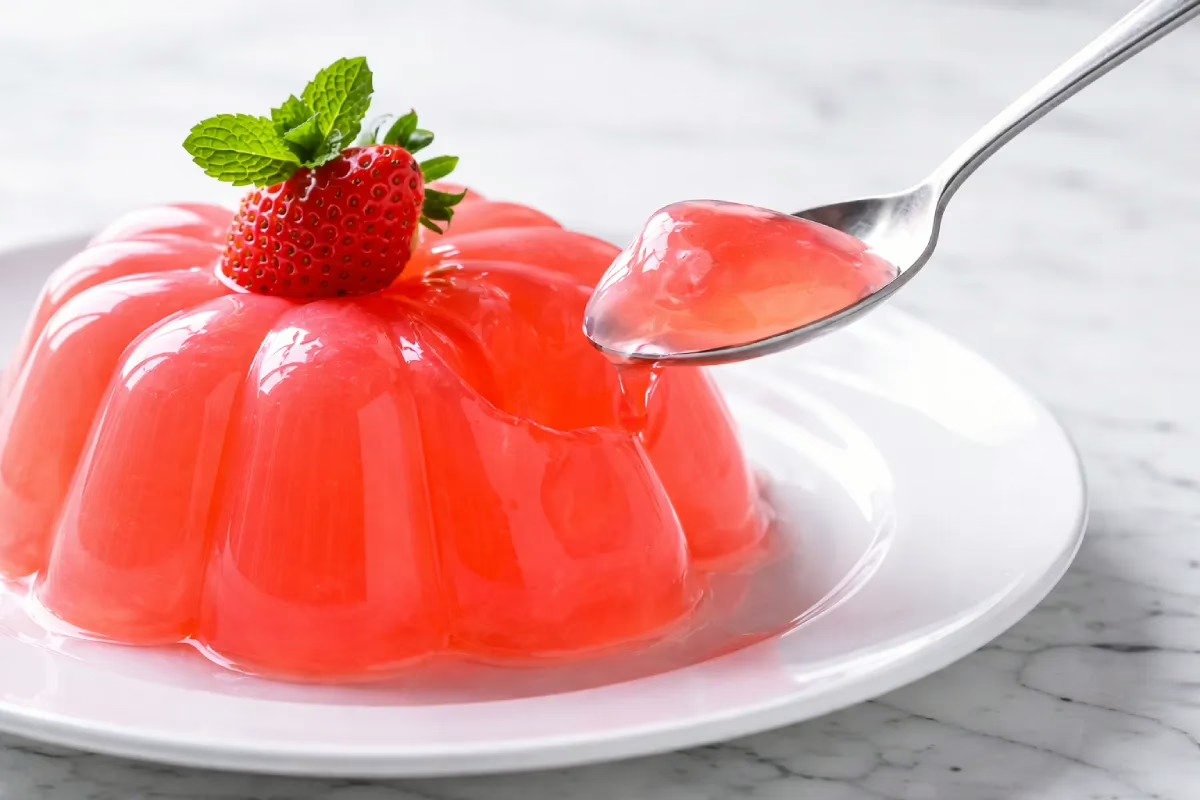
Because when you make this high protein bariatric gelatin recipe correctly, it becomes something surprisingly comforting: light, cool, gently sweet, and deeply satisfying. The spoon slides through with almost no resistance. A soft jiggle. A chilled surface against the tongue.
And suddenly you realize something.
This isn’t just another post-bariatric snack.
It’s a strategic protein tool.
Actually… no… let me correct that.
It’s one of the smartest low-volume protein options for people navigating post-surgery nutrition, especially during the soft food stage when solid protein sources still feel intimidating.
Let’s break it down properly.
Table Of Contents
Table of Contents
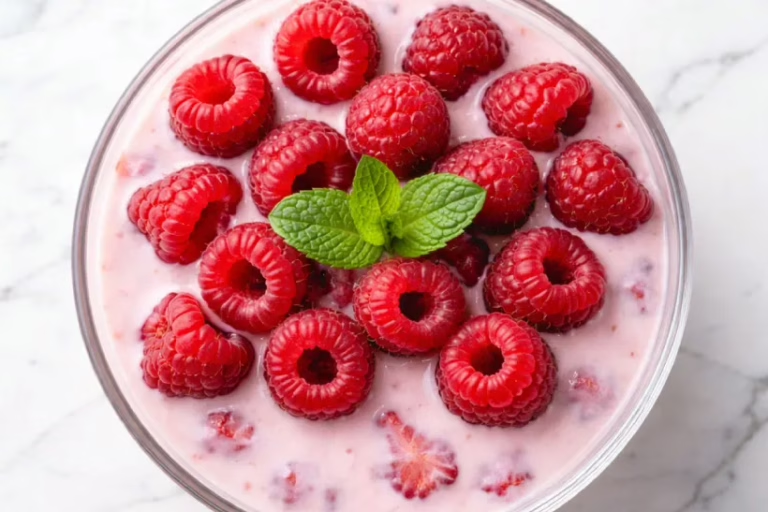
High Protein Bariatric Gelatin Recipe That Actually Tastes Good
High Protein Bariatric Gelatin Recipe is a light, low-sugar, bariatric-friendly protein snack made with sugar-free gelatin and whey isolate. It is easy to digest, quick to prepare, and perfect for the soft food stage after surgery.
- Total Time: 2 hours 5 minutes
- Yield: 4 servings 1x
Ingredients
1. 1 packet sugar-free gelatin (0.3 oz / 8–9 g)
2. 1 cup boiling water
3. 1/2 cup cold water
4. 1 scoop whey isolate protein powder
5. 2 tablespoons Greek yogurt (optional)
6. 1/2 teaspoon vanilla extract (optional)
7. 1/2 teaspoon lemon juice (optional)
8. Liquid stevia, to taste (optional)
Instructions
1. Pour 1 cup boiling water into a bowl.
2. Add the sugar-free gelatin and whisk for 30–40 seconds until fully dissolved.
3. Add 1/2 cup cold water and let the mixture cool for 2–3 minutes until warm, not hot.
4. Add 1/2 scoop whey isolate protein powder and whisk until smooth.
5. Add the remaining 1/2 scoop protein powder and whisk again until fully combined.
6. Whisk in the Greek yogurt, vanilla extract, lemon juice, and stevia if using.
7. Pour the mixture into 4 small ramekins or cups.
8. Refrigerate for 2–3 hours, or until set.
9. Serve chilled.
Notes
Use whey isolate for the smoothest texture.
Do not add protein powder while the liquid is too hot, or it may clump.
For a creamsicle variation, use orange gelatin with vanilla protein powder.
Store covered in the refrigerator for up to 5 days.
- Prep Time: 5 minutes
- Cook Time: 0 minutes
- Category: Snack
- Method: No-Cook
- Cuisine: American
Nutrition
- Serving Size: 1 small cup
- Calories: 75
- Sugar: 0g
- Fat: 1g
- Saturated Fat: 0g
- Trans Fat: 0g
- Carbohydrates: 2g
- Fiber: 0g
- Protein: 11g
Why This High Protein Bariatric Gelatin Recipe Works
A high protein bariatric gelatin recipe might sound simple. Almost too simple.
But actually… that simplicity is the strategy.
After bariatric surgery, the stomach capacity becomes extremely small. Meals are limited to small portions, yet protein needs remain high.
That’s where this recipe becomes useful.
It delivers protein in a soft, low-volume format that’s easy to tolerate during early recovery stages.
Key benefits of this high protein bariatric gelatin recipe
- High protein density in a small serving
- Low sugar thanks to sugar-free gelatin
- Very easy digestion for post-surgery stomachs
- Light texture during the soft-food stage
- Quick preparation in under 5 minutes
The result is a simple bariatric protein snack that helps patients move closer to their daily 60–80g protein goal without feeling overwhelmed by heavy meals.
Actually… that’s the real strength of this recipe.
It turns a familiar dessert into a practical nutrition tool for bariatric recovery.
Why a High Protein Bariatric Gelatin Recipe Works So Well After Surgery
If you’ve worked with bariatric patients—or experienced the surgery yourself—you know something quickly becomes obvious.
Protein is hard to hit.
Not because people don’t try.
But because volume tolerance is tiny.
Wait… think about that for a second.
After surgery the stomach pouch might hold only 2–4 ounces comfortably. And that creates a problem:
- Lean meats feel dense
- Protein shakes become repetitive
- Eggs can feel heavy
So we start looking for low-volume, high-efficiency protein sources.
For a lighter variation designed especially for recovery stages, check out this easy bariatric gelatin recipe for recovery and protein goals, which focuses on hydration and gentle protein intake.
That’s where this high protein bariatric gelatin recipe quietly shines.
The science behind it
Gelatin alone isn’t a strong protein source. Actually… no… let’s be precise.
Gelatin contains collagen protein, but it lacks certain essential amino acids.
So the trick is pairing it with high-quality protein powder.
When combined correctly, the result becomes:
- High protein
- Low sugar
- Low fat
- Easy digestion
- Small portion friendly
Test Note:
If the protein powder is added at too high a temperature, it clumps instantly. We’ll solve that later.
The Protein Challenge During Bariatric Recovery
There’s a moment most bariatric patients experience around week 3 or 4.
You’re staring at your meal.
And internally you’re thinking:
Wait… how am I supposed to eat 60–80g of protein every day with this stomach size?
It feels like pushing a boulder uphill.
Actually… that analogy might be too dramatic. But the challenge is real.
Typical bariatric protein goals
Most bariatric programs recommend:
- 60–80g protein daily
- Some patients: 80–100g
But early on, meals may only be:
- ¼ cup
- ½ cup
Which means every bite has to work harder.
That’s why smart bariatric kitchens rely on foods like:
- Greek yogurt
- Cottage cheese
- Protein pudding
- Protein gelatin
And honestly?
This high protein bariatric gelatin recipe often becomes a favorite repeat snack because it feels light instead of forced.
Ingredients for the High Protein Bariatric Gelatin Recipe
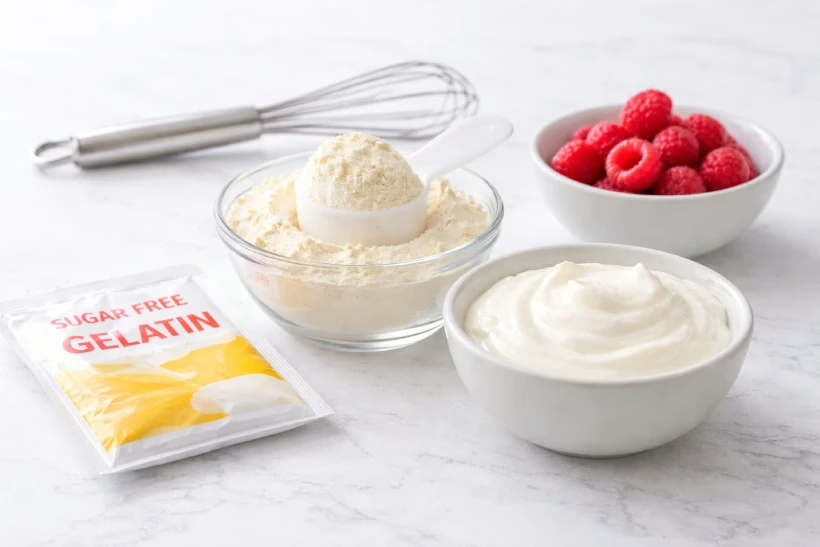
The ingredient list is intentionally simple.
Actually… no… simple is the goal.
You will need
- 1 packet sugar-free gelatin (0.3 oz / 8–9g)
- 1 cup boiling water
- ½ cup cold water
- 1 scoop unflavored or vanilla protein powder
- Optional: 2 tbsp Greek yogurt (for creaminess)
Optional flavor boosters:
- A few drops stevia
- ½ tsp vanilla extract
- ½ tsp lemon juice
- Powdered drink enhancer
Test Note:
Choose a whey isolate protein whenever possible. It dissolves more smoothly than casein.
Recommended tools
- Small whisk
- Glass mixing bowl
- Measuring cups
- Silicone spatula
- 4 small ramekins
Step-by-Step Method for Perfect Protein Gelatin
This process matters more than the ingredients.
Why?
Because protein powders behave strangely in hot liquids.
They can:
- foam
- clump
- separate
Let’s prevent that.
Step 1 Dissolve the gelatin

- Pour 1 cup boiling water into a bowl.
- Add the gelatin packet.
- Whisk for 30–40 seconds until fully dissolved.
You should see zero granules.
Test Note:
If you still see grains, the gelatin won’t set evenly.
Step 2 Cool slightly before adding protein
Now pause.
Wait… this step gets ignored constantly.
Protein powder should never go directly into boiling liquid.
Instead:
- Add ½ cup cold water
- Stir gently
- Let the mixture cool for 2–3 minutes
Temperature target:
Warm, not steaming
Actually… if you can hold your finger in it comfortably for 3 seconds, it’s ready.
Step 3 Add the protein powder slowly
- Sprinkle ½ scoop protein powder while whisking.
- Mix thoroughly.
- Add the remaining ½ scoop.
Why split it?
Because it prevents instant protein clumps.
The texture should become slightly creamy and opaque.
Step 4 Optional creaminess boost
If you want a dessert-style gelatin, add:
- 2 tbsp Greek yogurt
Whisk gently.
The mixture will look silky and pale.
Actually… almost like a light panna cotta base.
Step 5 Portion and chill
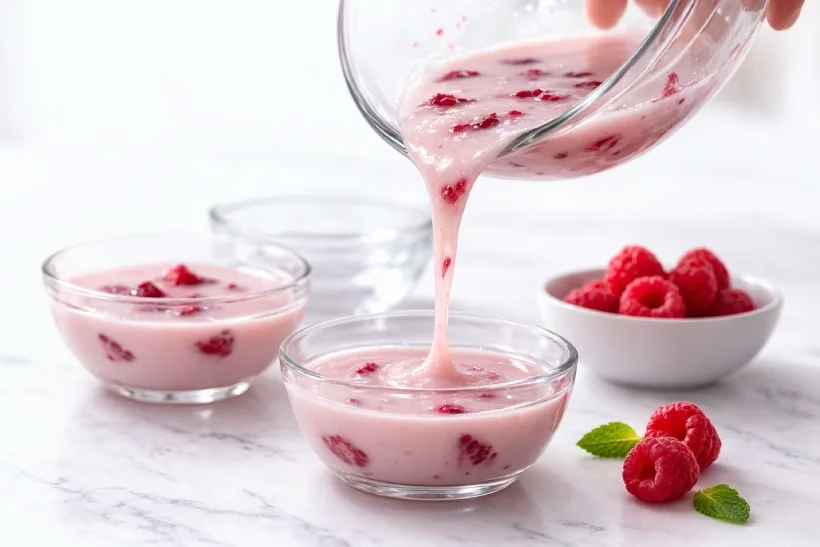
- Pour into 4 small ramekins
- Refrigerate 2–3 hours
Temperature matters here.
The fridge should stay around 36–40°F.
When ready, the gelatin should:
- hold shape
- jiggle softly
- release cleanly from the spoon
Protein Content and Bariatric Nutrition Benefits
Now let’s look at why this recipe matters nutritionally.
Approximate values per serving:
- Protein: 10–12g
- Calories: 60–90
- Sugar: 0–2g
- Fat: 0–2g
That means a single small cup provides meaningful protein.
Actually… if you eat two servings, you’re already halfway to many patients’ per-meal protein targets.
Why this texture works
Post-bariatric digestion prefers foods that are:
- soft
- moist
- low density
Gelatin checks every box.
It slides down easily.
No chewing.
No stomach pressure.
Flavor Variations for High Protein Bariatric Gelatin
Once you master the base recipe, you can start playing with flavors.
And honestly… this is where the recipe becomes fun.
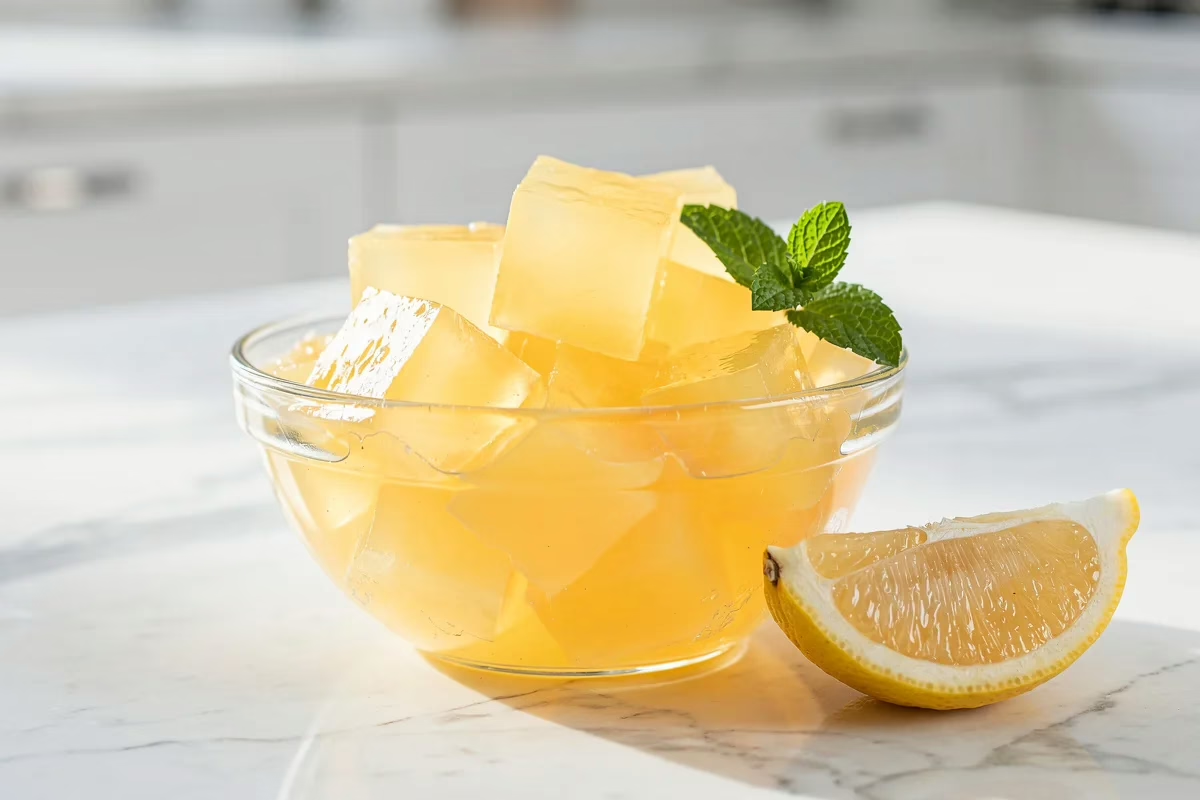
Citrus protein gelatin
Add:
- 1 tsp lemon zest
- ½ tsp lemon juice
- Vanilla protein powder
Result: bright and refreshing.
Creamsicle protein gelatin
Combine:
- orange gelatin
- vanilla protein powder
- Greek yogurt
Flavor profile:
orange creamsicle
Berry protein gelatin
Mix:
- strawberry gelatin
- unflavored collagen
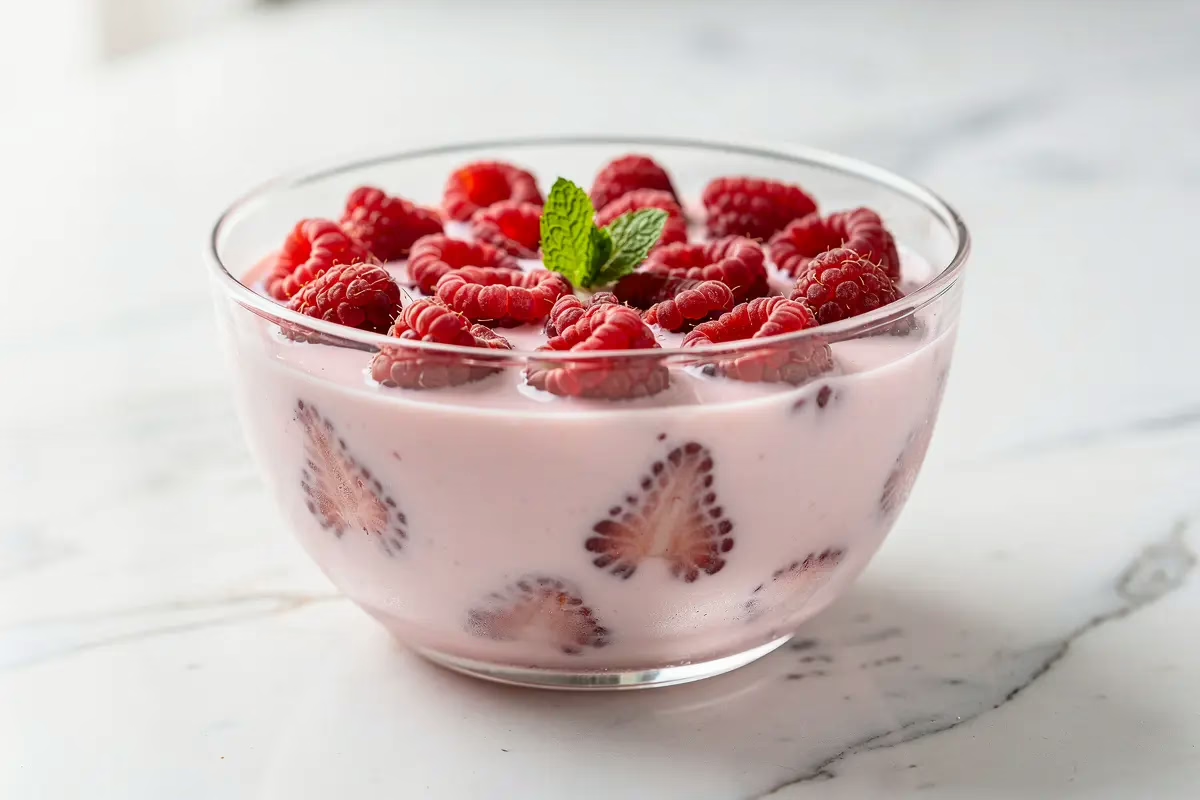
- 1 tbsp mashed raspberries
Texture becomes slightly jammy.
Tropical bariatric gelatin
Use:
- pineapple gelatin
- vanilla protein
- ¼ tsp coconut extract
Suddenly it tastes like vacation dessert.
Actually… a surprisingly good one.
Common Mistakes That Ruin Protein Gelatin
Even simple recipes can go sideways.
These are the most common problems.
1. Protein clumps
Cause:
Liquid too hot
Fix:
Cool mixture before adding protein.
2. Grainy texture
Cause:
Protein not whisked well.
Solution:
Use a small whisk, not a spoon.
3. Gelatin doesn’t set
Cause:
Too much liquid.
Follow the exact water measurement.
4. Foam layer on top
Cause:
Over-whisking protein powder.
Solution:
Whisk slowly and gently.
When Bariatric Patients Should Eat Protein Gelatin
Timing matters more than people think.
Best uses include:
Between meals
A mid-morning protein snack helps stabilize hunger.
Evening dessert
When cravings hit at 8 or 9 PM, this option provides:
- protein
- sweetness
- minimal calories
Early post-surgery stages
During weeks 2–4, when soft foods are required.
The texture is safe and gentle.
Storage and Meal Prep Tips
One batch makes 4 servings.
But here’s the clever part.
You can scale it easily.
Meal prep batch
Use:
- 3 gelatin packets
- 3 cups boiling water
- 1½ cups cold water
- 3 scoops protein
You now have 12 servings.
Storage:
- Refrigerate up to 5 days
Test Note:
Use glass containers for best flavor retention.
FAQ
Can I use collagen instead of protein powder?
Yes.
But collagen alone isn’t a complete protein.
It’s best used alongside whey or plant protein.
Can bariatric patients eat gelatin daily?
Yes.
Actually… many programs recommend protein gelatin regularly during early recovery.
Just ensure overall protein intake remains balanced.
Can I use plant protein powder?
You can.
However:
pea protein
soy protein
Sometimes create a thicker gel texture.
Test a small batch first.
Why does my gelatin separate?
This usually happens when:
protein powder isn’t dissolved fully
mixture cools too quickly
Whisk well and pour immediately.
Is sugar-free gelatin safe after bariatric surgery?
Yes, in moderation.
Most brands use:
aspartame
sucralose
These provide sweetness without sugar spikes.
Final Thoughts
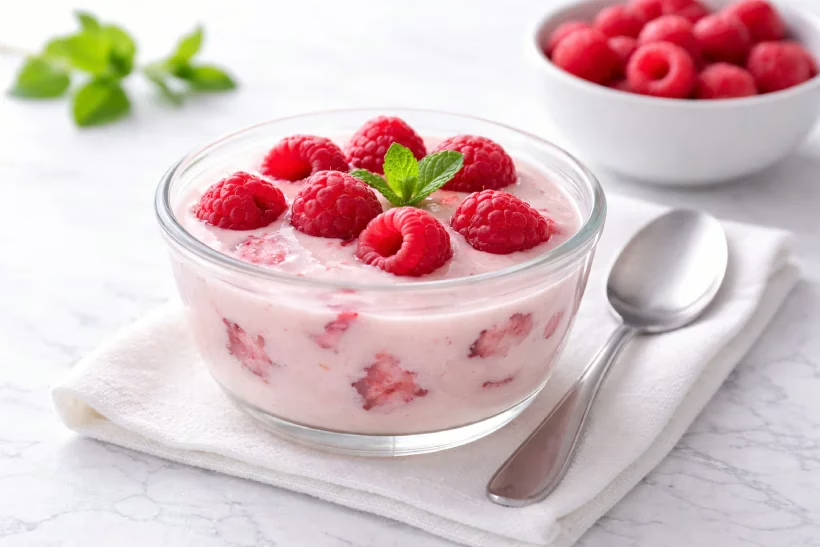
A high protein bariatric gelatin recipe might look simple on paper.
But the strategy behind it is surprisingly smart.
Small volume.
High protein density.
Easy digestion.
Actually… that combination is exactly what bariatric nutrition needs.
And when prepared properly, the result isn’t just functional.
It’s genuinely enjoyable.
A chilled spoonful.
A gentle jiggle.
A light sweetness.
Sometimes the simplest foods quietly become the most useful tools in the kitchen.
Health Disclaimer
This content is for informational purposes only and is not intended as medical or nutritional advice. Recipster does not provide diagnosis, treatment, or professional healthcare guidance.

If you are following a weight loss plan, have undergone bariatric surgery, or have any medical condition, consult a qualified healthcare professional or registered dietitian before making dietary changes.

This recipe is not a substitute for medical weight loss programs or bariatric treatment. Individual results may vary based on personal health, lifestyle, and nutritional needs.