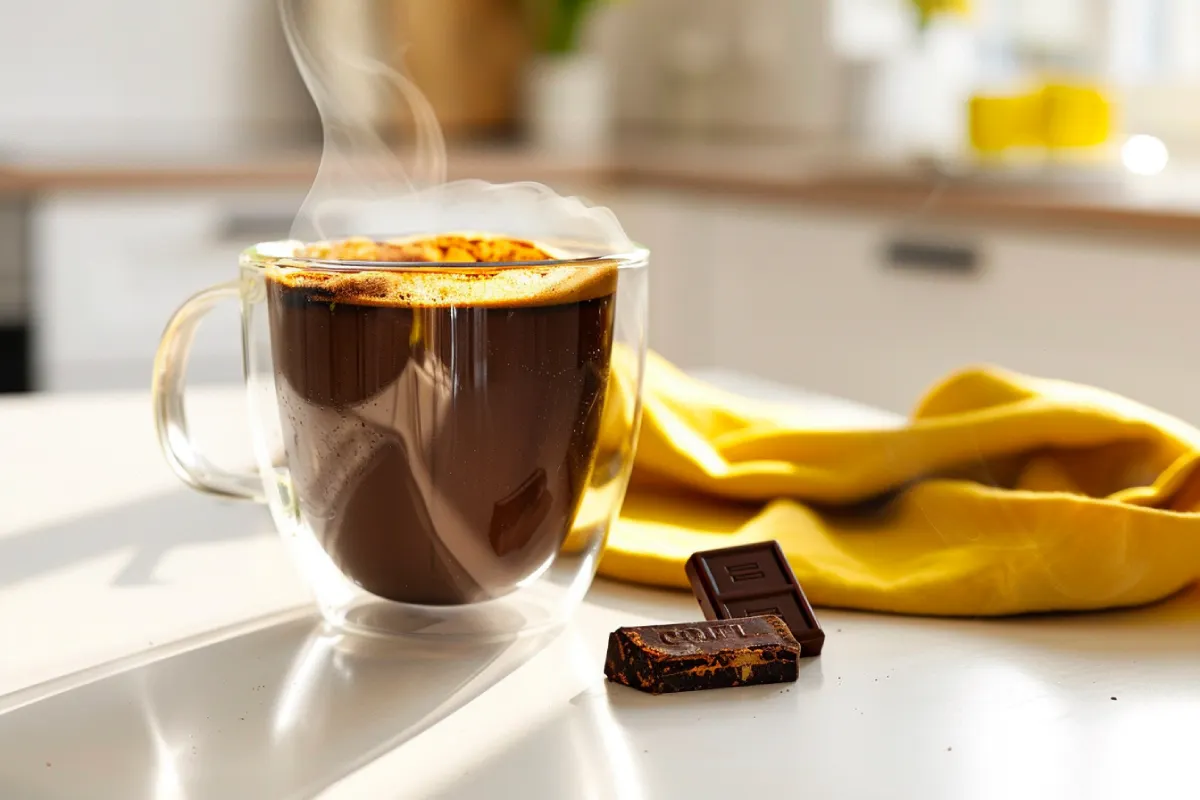

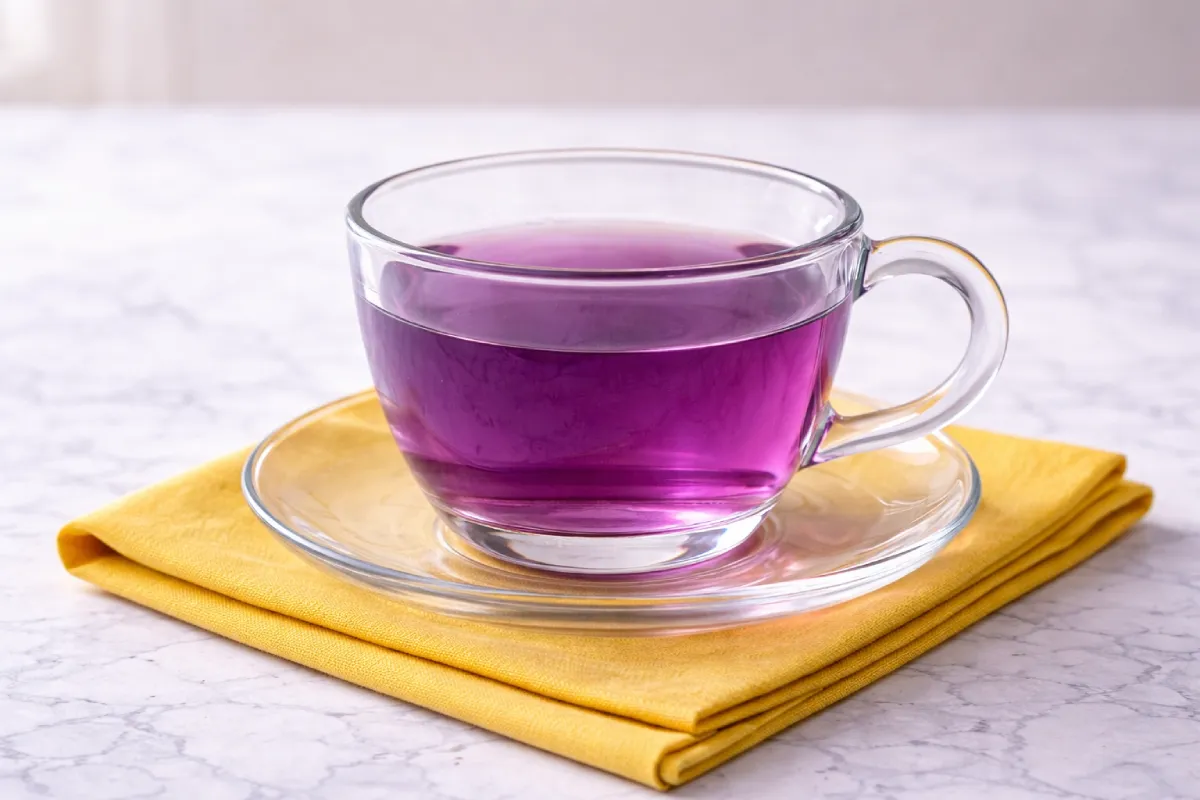
Purple tea arrives quietly, then stays present. The color appears first, rich and alive, followed by an aroma that feels grounded and warm. When this infusion steeps, the steam carries notes of damp earth, soft leaves, and clean mineral air. Wait, why does this already feel calming. Actually, no. It is not calm. It is balance.
This rare tea variety does not rush. It asks you to slow your hands, to notice temperature, to notice scent, to notice the way light passes through the cup. In a world that moves too fast, purple tea moves at its own pace.
This infusion is not about performance. It is about presence.
Table Of Contents
Table of Contents

Purple Tea: What Makes It Unique and How to Drink It
A calm, naturally vibrant infusion made from purple tea leaves. Light, smooth, and balanced, this recipe can be enjoyed hot or iced and adapted with gentle additions like ginger, clove, lemon, or mint.
- Total Time: 9 minutes
- Yield: 1 serving
Ingredients
Loose leaf purple tea
Fresh filtered water
Optional: fresh ginger slices
Optional: whole clove
Optional: lemon peel or juice
Optional: fresh mint leaves
Instructions
1. Heat water to 175–185°F.
2. Add 1 teaspoon of loose leaf purple tea to a teapot or infuser.
3. Pour 8 ounces of hot water over the leaves.
4. Steep for 3–4 minutes.
5. Strain and serve plain, or add optional ingredients gently.
6. For iced tea, add 1 tablespoon of purple tea to 1 liter of cold water and steep in the refrigerator for 10–12 hours, then strain and serve over ice.
Notes
Avoid boiling water to preserve the smooth flavor.
A second infusion can be brewed with the same leaves.
Add only small amounts of ginger, clove, lemon, or mint to avoid overpowering the tea.
- Prep Time: 5 minutes
- Cook Time: 4 minutes
- Category: Beverage
- Method: Infusion
- Cuisine: Tea
- Diet: Vegan
Nutrition
- Serving Size: 1 cup
- Calories: 0
- Sugar: 0 g
- Sodium: 0 mg
- Fat: 0 g
- Saturated Fat: 0 g
- Unsaturated Fat: 0 g
- Trans Fat: 0 g
- Carbohydrates: 0 g
- Fiber: 0 g
- Protein: 0 g
- Cholesterol: 0 mg
Purple Tea Origins and the Power of High Altitude
Kenyan purple tea grows where conditions are demanding. High altitude. Strong sunlight. Cool nights. These are not gentle environments. They test plants every single day.
The first time I understood how this purple variety tea developed, I paused. Wait, can struggle really shape flavor. Actually, no. Struggle shapes resilience, and resilience shapes depth.
The tea plant adapted to intense sunlight by producing natural pigments. These pigments protect the leaves and give this specialty tea its distinctive character. Nothing about this process is artificial. It is adaptation written into the leaf.
Key environmental factors that shape purple tea include:
- High elevation that slows growth
- Strong sunlight that encourages protective compounds
- Cool nighttime temperatures that preserve delicate elements
- Longer growing cycles that deepen complexity
Test note. Leaves grown too fast taste flat. Slow growth creates balance and structure.
Each cup carries the memory of its environment in every sip.
Why Purple Tea Has Its Natural Color
The color of this anthocyanin-rich tea is not decoration. It is communication.
When hot water touches the leaves, pigments release into the infusion. The liquid shifts from clear to amber, then toward violet. Sometimes the edges glow softly. Watching this violet tea change feels almost meditative.
I remember staring into the cup and thinking, wait, is the tea alive. Actually, no. It is simply responding exactly as nature designed it to.
Anthocyanins are the pigments responsible for this color. They are also found in deeply colored plants and foods. In purple tea, they serve both protection and expression.
What these pigments contribute includes:
- Antioxidant support
- Protection against oxidative stress
- Natural color variation
- Sensitivity to acidity
Test note. Adding a few drops of lemon changes the color instantly. This is normal and expected.
The infusion teaches observation before consumption.
Purple Tea Flavor Profile and Mouthfeel
This rare tea variety does not shout. It hums softly.
The first sip is light and clean. The body feels smooth, never heavy. The finish is dry and mineral, leaving the mouth refreshed rather than coated. There is sweetness, but it is subtle, closer to raw honey than sugar.
Wait, where is the bitterness. Actually, no. The absence of harshness is intentional.
Flavor notes often associated with this purple leaf tea include:
- Fresh green leaves
- Soft plum skin
- Warm stone
- Earth after rain
Test note. Steeping longer than four minutes introduces a chalky edge. Precision matters.
This beverage rewards patience and attention.
Purple Tea Compared to Green Tea
Purple tea and green tea share ancestry, but their personalities differ.
Green tea is familiar and often sharp. This artisan tea feels exploratory, gentle, and rounded. Where green tea can feel stimulating, purple tea feels grounding.
I asked myself once, wait, do I have to choose between them. Actually, no. Each tea serves a different moment.
Key differences include:
- Purple tea contains higher levels of anthocyanins
- Green tea contains higher levels of catechins
- This variety is generally lower in bitterness
- Green tea tends to be more vegetal
Test note. Many people find purple tea easier on the stomach.
This specialty tea does not replace other teas. It expands the ritual.
Purple Tea and Daily Wellness
This calming beverage supports the body quietly. It does not promise instant transformation. It offers consistency.
Naturally lower in caffeine, this daily infusion fits into routines without causing tension or restlessness. It supports focus while maintaining calm.
Wait, is this just another wellness trend. Actually, no. It is long term nourishment.
Potential benefits associated with this anthocyanin-rich tea include:
- Support for heart health
- Help managing oxidative stress
- Gentle metabolic balance
- Skin supportive compounds
Test note. Drink the tea plain at first to understand its natural profile.
This artisan tea works best when it becomes a habit, not a remedy.
Ingredients Needed for Purple Tea
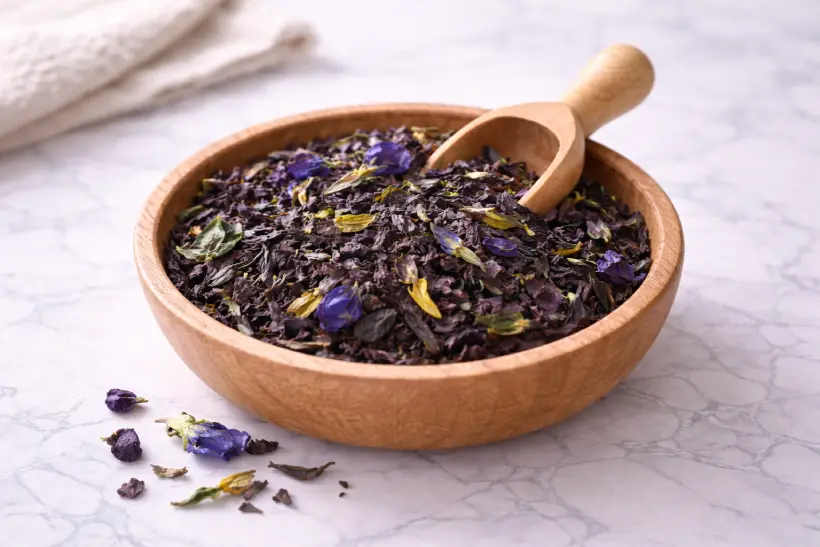
Purple tea is minimal by nature.
The base ingredients are simple and intentional.
Ingredients:
- Loose leaf purple tea
- Fresh, filtered water
That is all.
I used to complicate tea preparation until I realized, wait, simplicity reveals more. Actually, no. Complexity already exists in the leaf.
Test note. Water quality directly affects clarity and aroma.
This infusion does not need distraction.
How to Brew Purple Tea Hot
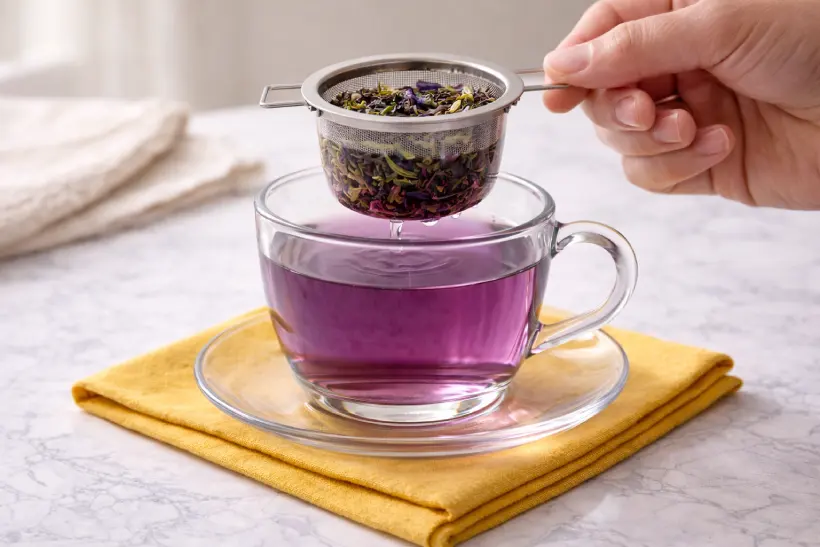
Brewing this specialty tea is about control, not force.
Water that is too hot dulls the flavor. Water that is too cool leaves the leaf closed.
Hot Brewing Steps:
- Heat water to 175 to 185 degrees Fahrenheit
- Add one teaspoon of loose leaf purple tea
- Pour eight ounces of hot water
- Steep for three to four minutes
- Strain and serve
Recommended tools include: a glass teapot, a fine strainer, and a precise kettle.
Test note. A second infusion is lighter and slightly sweeter.
This hot tea infusion responds well to careful handling.
Iced Purple Tea and Cold Brewing
This violet tea shines when brewed cold.
The first iced version surprised me. Wait, why is this so smooth. Actually, no. Cold brewing protects the leaf from bitterness.
Cold Brew Method:
- Add one tablespoon of loose leaf purple tea to one liter of cold water
- Cover and refrigerate for ten to twelve hours
- Strain and serve over ice
Test note. This cold steeped tea has no sharp edges.
Iced purple tea feels clean and refreshing, especially in warm weather.
Purple Tea Variations With Natural Additions
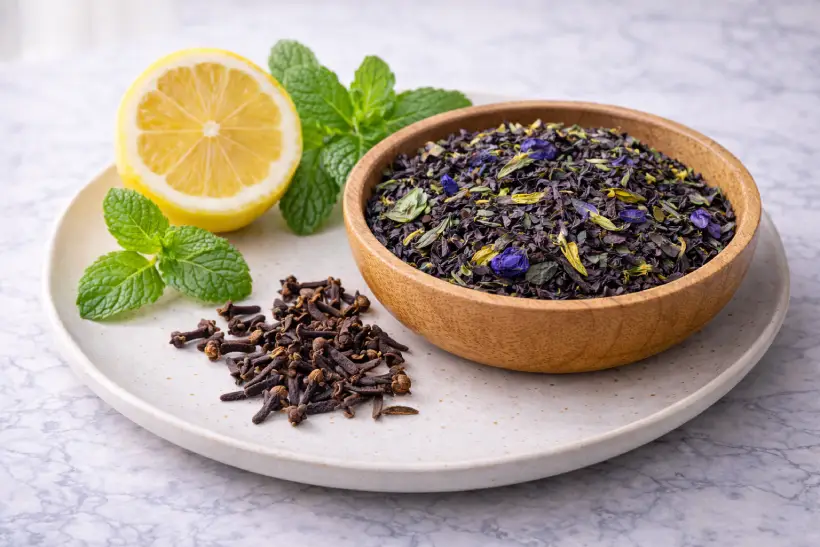
Purple tea welcomes additions when handled gently. The goal is enhancement, not domination.
Purple Tea With Clove
Clove adds warmth and depth.
- Use one whole clove only
- Best suited for evening cups
Wait, should I add more. Actually, no. One clove is enough.
Purple Tea With Ginger
Ginger adds brightness and heat.
- Use thin fresh slices
- Short steep to avoid overpowering
Test note. Too much ginger hides the leaf.
Purple Tea With Lemon
Lemon brightens flavor and shifts color.
- Use only a few drops
- Avoid heavy acidity
Purple Tea With Mint
Mint adds freshness and lift.
- Best for iced purple tea
- Use lightly crushed leaves
Each variation should respect the base character of this specialty tea.
Purple Tea as a Daily Ritual
This mindful drink fits naturally into daily life.
I reach for this tea ritual when I need focus without tension. Wait, is this becoming routine. Actually, no. It is becoming ritual.
Moments that suit this restorative cup include:
- Morning grounding
- Afternoon reset
- Post meal calm
- Creative work
Test note. Drinking the infusion mindfully enhances its effect.
This daily practice becomes familiar without becoming boring.
Continuing the Ritual: How This Tea Fits Modern Life
As the days pass, this tea finds its place naturally. It slips into routines without effort. Morning light through a window. Afternoon silence between tasks. Evening calm when the house finally exhales.
I noticed it slowly. Wait, when did this become automatic. Actually, no. It earned that place.
The cup does not stimulate aggressively. It supports clarity. Hands feel steady. Thoughts line up. There is no rush, no crash.
Moments where this infusion fits best include:
- Early mornings before noise begins
- Midday pauses when focus fades
- Quiet evenings after meals
- Creative work that needs flow
Test note. Drinking it at the same time each day builds familiarity.
Ritual is not repetition. Ritual is intention.
Iced Versions for Warm Days
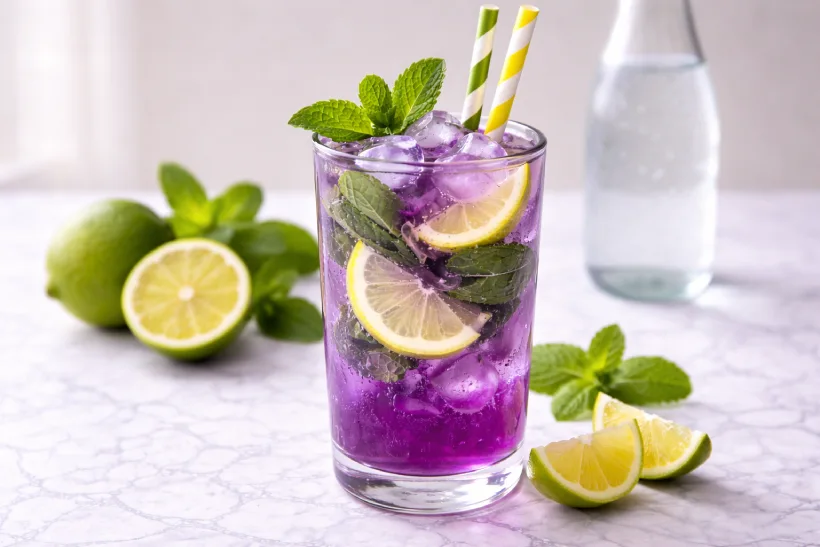
Cold preparation changes the experience completely.
The infusion becomes brighter, cleaner, almost effortless to drink. No bitterness. No heaviness. Just clarity.
The first time I served it over ice to guests, someone paused mid sip. Wait, what is this. Actually, no. They already knew it was different.
Iced preparation works well for:
- Hot afternoons
- Outdoor meals
- Light refreshment
- Long sipping sessions
Test note. Use large ice cubes to avoid dilution.
Cold versions allow the leaf to speak softly.
Using Spices Without Overpowering
Spices should support, not dominate.
When clove is added, warmth appears immediately. The aroma deepens. The cup feels comforting. But the margin is thin.
I once added too much and thought, wait, where did the leaf go. Actually, no. I had buried it.
Guidelines for spiced infusions:
- Use whole spices only
- Add after the main steep
- Keep quantities minimal
- Taste before adjusting
Clove works best alone. Ginger brings energy. Mint cools. Lemon brightens. Each has its place.
Balance is everything.
Seasonal Adjustments
The same tea behaves differently across seasons.
In winter, warmth and depth stand out. In summer, clarity and refreshment dominate. Spring highlights floral notes. Autumn brings earthiness forward.
I noticed this one morning in early fall. Wait, why does this taste deeper today. Actually, no. The season had shifted.
Seasonal pairing ideas:
- Winter: with clove or ginger. During colder months, some people prefer a stronger, warming cup, like this ginger tea for winter, which brings heat and intensity when the body needs it most.
- Spring: plain or lightly floral
- Summer: iced with mint or lemon
- Autumn: warm and unadorned
Test note. Let the season guide preparation.
The leaf adapts naturally.
Mindful Preparation and Slowing Down
Preparation matters as much as ingredients.
Measuring the leaf. Heating water carefully. Watching the infusion change. These steps slow the body and the mind.
I caught myself rushing once and thought, wait, why am I hurrying this. Actually, no. The tea does not reward speed.
Mindful steps to keep:
- Measure intentionally
- Watch water temperature
- Observe color change
- Smell before sipping
Test note. Silence during preparation enhances awareness.
This is not just a drink. It is a pause.
Storing the Leaves Correctly
Storage protects effort.
Leaves exposed to air lose aroma. Light dulls character. Moisture damages structure.
I learned this the hard way. Wait, why does this taste flat now. Actually, no. Storage failed the leaf.
Best storage practices:
- Airtight container
- Dark environment
- Cool and dry location
- No refrigeration
Test note. Avoid transparent containers.
Proper storage keeps the infusion expressive.
How Often to Drink It
Daily use feels natural.
There is no pressure to limit or rotate. The low caffeine profile allows flexibility. One cup or several, depending on the day.
I wondered once, wait, am I drinking too much. Actually, no. The body responded calmly.
Common patterns include:
- One cup in the morning
- One cup in the afternoon
- Occasional evening cups
Test note. Listen to your body rather than rules.
Consistency matters more than quantity.
Closing Reflections
This tea does not seek attention. It does not demand praise. It remains steady.
Each cup offers the same invitation. Slow down. Observe. Taste carefully. Notice how small details matter.
Wait, why does this stay with me. Actually, no. It stays because it fits.
The ritual continues quietly, one cup at a time.
FAQ
Is purple tea naturally caffeinated?
Yes. Purple tea contains caffeine, but generally less than many green or black teas. It provides gentle alertness without sharp stimulation.
Can purple tea be consumed every day?
Yes. Purple tea is suitable for daily consumption and is often appreciated for its balanced and calming profile.
Does purple tea taste sweet?
Purple tea is naturally mild and smooth. Any sweetness is subtle and comes from the leaf itself, not from sugar like notes.
Is purple tea better hot or iced?
Both work well. Hot preparations highlight depth and aroma, while iced versions emphasize clarity and freshness.
Can I add spices or herbs to purple tea?
Yes. Ginger, clove, lemon, and mint can be added in small amounts. The key is to enhance, not overpower, the base flavor.
How should purple tea be stored?
Store purple tea in an airtight container, away from light, heat, and moisture. Refrigeration is not recommended.
What People Said About This Infusion
Aïcha M. – Dakar, Senegal
“Amara, I brewed it this morning before the house woke up. The color stopped me. I didn’t add anything. It felt calm, steady. I drank it slowly and didn’t feel rushed all day. I think this one stays with me.”
Julien R. – Lyon, France
“I wasn’t expecting much, to be honest. But the cup felt clean, almost grounding. No bitterness, no need for sugar. I made a second infusion and it was even better. Very balanced.”
Maya L. – Brooklyn, New York
“I drank it iced in the afternoon instead of coffee. No crash. My head felt clear. I like that it doesn’t try to be impressive. It just works.”
Samuel K. – Toronto, Canada
“Prepared it plain, followed your timing. The aroma surprised me more than the taste. Very subtle, very calm. It feels like something you drink when you want to think, not when you want noise.”
Conclusion: Why Purple Tea Stays With You
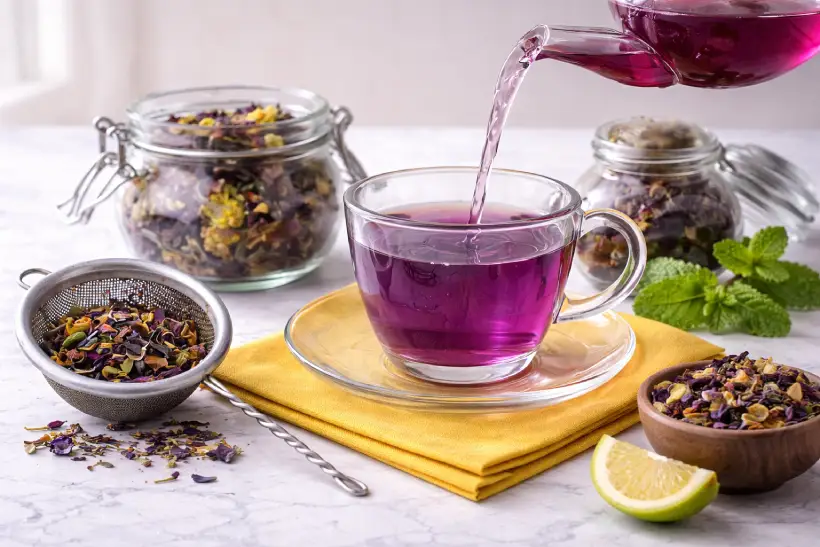
This rare tea variety does not try to impress. It does not compete. It simply remains.
Over time, the cup becomes familiar in the best possible way. The color no longer surprises, but it still calms. The aroma still grounds. The flavor still feels clean and honest. Wait, when did this become essential. Actually, no. It was always essential. You just made space for it.
This mindful drink fits modern life because it slows it down. It offers clarity without force, comfort without heaviness, and ritual without rigidity. Whether served hot, iced, or gently enhanced with ginger, clove, lemon, or mint, this tea adapts while keeping its identity intact.
This is not a tea for urgency. It is a tea for presence.
And presence, once learned, stays.