

Roasted vegetable soup is one of those dishes that looks humble, almost understated, yet quietly delivers layers of flavor that most soups never touch. I remember the first time I tested it seriously—tray after tray of vegetables caramelizing in the oven, the smell turning sweet and nutty. Wait… why does this already taste finished before it’s even soup? Actually… no… that’s the whole point. Roasting changes the chemistry. It concentrates sugars, drives off water, and builds complexity before the pot even hits the stove.
This guide breaks down why caramelized vegetable soup, how to control flavor scientifically, and how to adapt it endlessly without losing balance. No guesswork. No filler. Just results.
Tables Of Contents
Table of Contents

Roasted Vegetable Soup
Roasted vegetable soup built on deep caramelization, controlled heat, and balanced seasoning. A smooth, comforting soup that delivers rich flavor without cream, using oven-roasted vegetables as the foundation.
- Total Time: 1 hour 10 minutes
- Yield: 4 servings 1x
Ingredients
2 lb mixed vegetables (carrots, onion, bell peppers, cauliflower)
4 tbsp olive oil
2 tsp kosher salt
1 tsp black pepper
1 large onion, diced
4 cloves garlic, minced
4–5 cups vegetable stock
1–2 tbsp lemon juice or vinegar
Fresh thyme or rosemary (optional)
Instructions
1. Preheat the oven to 425°F
2. Cut vegetables into evenly sized pieces
3. Toss vegetables with olive oil, salt, and black pepper
4. Spread vegetables in a single layer on a sheet pan
5. Roast for 35–45 minutes, flipping once, until deeply caramelized
6. Heat a large pot over medium heat and sauté diced onion until lightly golden
7. Add garlic and cook for 30 seconds until fragrant
8. Add roasted vegetables to the pot
9. Pour in vegetable stock and bring to a gentle simmer
10. Simmer for 15–20 minutes
11. Blend until smooth or partially smooth, depending on desired texture
12. Adjust seasoning with salt and finish with lemon juice or vinegar
Notes
Do not overcrowd the roasting pan or the vegetables will steam instead of roast.
Color equals flavor. Roast until deep golden.
Add acid only at the end to avoid dulling flavors.
For a thicker soup, reduce stock slightly or add more cauliflower.
- Prep Time: 15 minutes
- Cook Time: 55 minutes
- Category: Soup
- Method: Roasting
- Cuisine: American
- Diet: Vegetarian
Nutrition
- Serving Size: 1 bowl
- Calories: 180
- Sugar: 8 g
- Sodium: 520 mg
- Fat: 9 g
- Saturated Fat: 1.5 g
- Unsaturated Fat: 7 g
- Trans Fat: 0 g
- Carbohydrates: 22 g
- Fiber: 6 g
- Protein: 4 g
- Cholesterol: 0 mg
Why Roasted Vegetable Soup Beats Every Other Vegetable Soup
Roasted vegetable soup starts with dry heat, not liquid. That’s the key.
You’re forcing vegetables to:
- Lose moisture
- Brown through the Maillard reaction
- Develop deeper umami
I used to think simmering longer would do the same job. It won’t. Wait… shouldn’t time equal flavor? Actually… no… water dilutes flavor. Roasting removes it.
What roasting does technically
- Caramelizes natural sugars
- Creates roasted, nutty notes
- Pre-builds body without cream
- Reduces bitterness in brassicas
Test note: If your vegetables look pale after roasting, the soup will taste flat. Color equals flavor.
Best Vegetables for Roasted Vegetable Soup (And Why They Work)
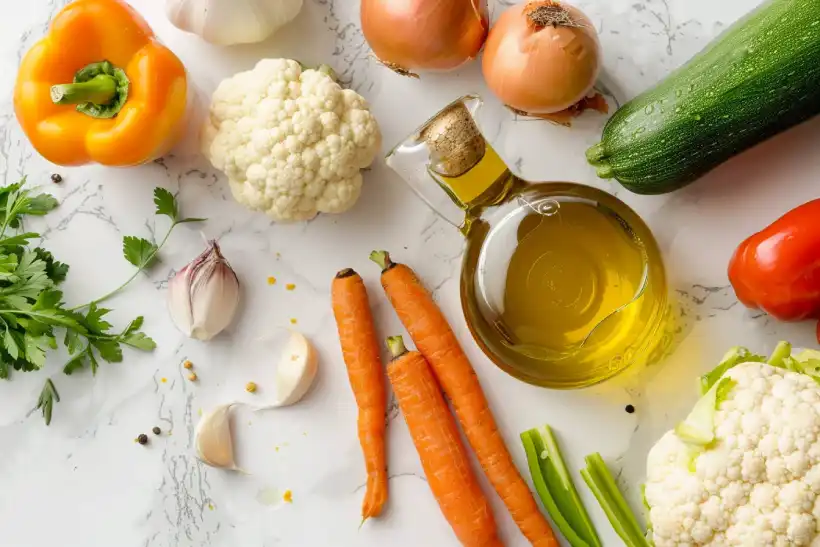
Not all vegetables roast equally. Some sweeten. Some turn bitter. Some collapse into mush.
High-performance vegetables
- Carrots – sweetness + body
- Onions – savory backbone
- Garlic – aromatic depth
- Tomatoes – acidity + umami
- Bell peppers – sweetness + smoke
- Cauliflower – neutral, creamy texture
- Zucchini – moisture balance
I once overloaded a batch with broccoli. The smell was fine, but the taste? Wait… why is this harsh? Actually… no… sulfur compounds intensified. Lesson learned.
Use sparingly
- Broccoli
- Brussels sprouts
- Kale stems
The Science of Roasting Temperature (This Is Non-Negotiable)
Temperature controls flavor development more than seasoning.

Ideal roasting range
- 425°F (218°C)
Below that:
- Vegetables steam
- Sugars don’t caramelize
Above that:
- Exterior burns
- Interior stays raw
Proper roasting setup
- Wide sheet pans
- Single layer only
- Neutral oil with high smoke point
- Salt before roasting
You should hear a faint sizzle when the pan hits the oven. If it’s silent, you’re steaming.
Test note: Crowded pans = boiled vegetables in disguise.
How to Build a Balanced Roasted Vegetable Soup Base
This is where many recipes fall apart. Roasted vegetables alone aren’t enough.

Core structure
- Roasted vegetables – flavor
- Aromatic sauté base – depth
- Stock – extraction medium
- Acid – brightness
- Fat – mouthfeel
I used to skip the stovetop sauté. Big mistake. Wait… aren’t the veggies already roasted? Actually… no… raw onions in liquid taste thin.
Aromatic base essentials
- Onion
- Garlic
- Optional celery or leek
Sauté until translucent and lightly golden before adding roasted vegetables.
Stock Choices: Why Water Is (Usually) a Mistake
Liquid matters more than people admit.
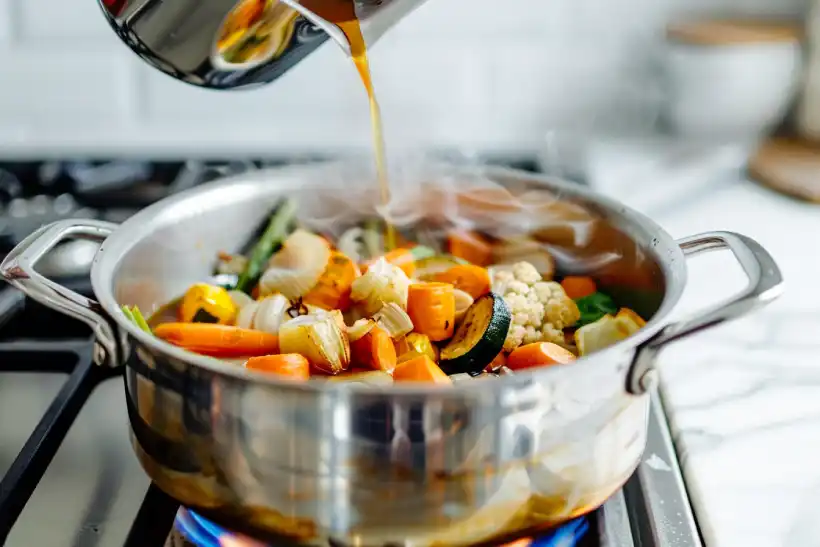
Best options
- Vegetable stock – neutral, clean
- Light chicken stock – deeper umami
- Mushroom stock – earthy boost
Water works only if:
- You’ve heavily roasted vegetables
- You compensate with acid and fat
Test note: If the soup tastes “hollow,” it’s a liquid problem, not seasoning.
Step-by-Step: How to Make Roasted Vegetable Soup Perfectly
Ingredients (Flexible but Structured)
- 2 lb mixed vegetables (carrots, onion, peppers, cauliflower)
- 4 tbsp olive oil
- 2 tsp kosher salt
- 1 tsp black pepper
- 1 large onion, diced
- 4 cloves garlic, minced
- 4–5 cups stock
- 1–2 tbsp acid (lemon juice or vinegar)
- Optional herbs (thyme, rosemary)
Instructions
- Preheat oven to 425°F
- Chop vegetables into even pieces
- Toss with oil, salt, and pepper
- Roast for 35–45 minutes, flipping once
- Sauté onion in a heavy pot until golden
- Add garlic, cook 30 seconds
- Add roasted vegetables
- Pour in stock
- Simmer 15–20 minutes
- Blend until smooth
- Adjust salt and acid
Wait… should I blend everything? Actually… no… texture matters. You can leave it rustic.
Test note: Over-blending introduces air and dulls flavor. Stop early.
Texture Control: Smooth, Rustic, or Chunky
Texture changes perception of flavor.

Options
- Fully blended – creamy, refined
- Partially blended – body + bite
- Chunky – stew-like
I prefer blending 70%, then folding the rest back in. Best of both worlds.
Tools
- Immersion blender – control
- High-speed blender – ultra-smooth
Test note: Hot soup expands. Vent your blender lid or you’ll redecorate the ceiling.
Seasoning Strategy: Salt Isn’t Enough
Roasted vegetable soup needs layered seasoning.
Essential adjustments
- Salt – structure
- Acid – brightness
- Fat – roundness
- Herbs – aroma
I once kept adding salt wondering why it felt flat. Wait… why won’t this pop? Actually… no… it needed acid.
Acid options
- Lemon juice
- Sherry vinegar
- Apple cider vinegar
Add acid at the end.
Common Mistakes (And How to Avoid Them)
- Under-roasting vegetables
- Using too much liquid
- Skipping acid
- Over-blending
- Over-seasoning early
Soup isn’t forgiving. Fixing mistakes late is harder than building correctly.
Test note: Always taste after blending. Flavor changes drastically.
Flavor Variations That Actually Work
Mediterranean
- Add tomatoes
- Finish with olive oil
- Use thyme and oregano
Smoky
- Add smoked paprika
- Roast with red peppers
Creamy (No Cream)
- Add extra cauliflower
- Blend longer
Protein Boost
- Add white beans before blending
Each version keeps the same structural logic.
If you enjoy hearty, vegetable-forward soups, this Tuscan White Bean Soup is another comforting option built on simple ingredients and deep flavor.
Storage, Freezing, and Reheating
Storage
- Refrigerate up to 5 days
- Freeze up to 3 months
Reheat gently. High heat kills nuance.
Test note: Frozen soup benefits from a fresh splash of acid after reheating.
Health Benefits of caramelized vegetable soup
- High fiber
- Low calorie density
- Micronutrient rich
- Hydrating
- Naturally gluten-free
Roasting preserves nutrients better than boiling.
FAQ
Can you freeze roasted vegetable soup?
Yes.
Most of the time, it freezes without issues.
Let it cool first. Really cool.
If you rush it, the texture turns odd later.
The roasted vegetables keep their flavor.
When you reheat, add a little acid.
Not before. After.
Why does caramelized vegetable soup taste bitter sometimes?
Usually the oven.
Too hot, too long.
Dark is fine. Burnt isn’t.
Broccoli and similar vegetables make it worse.
If it happens, try lemon juice.
Just a bit.
It often fixes more than salt.
Do I need a blender for this soup?
Not always.
A blender helps, sure.
An immersion blender is easier with hot soup.
No blender means chunks.
That’s not wrong.
It’s just a different soup.
Is roasted vegetable soup actually healthy?
Yes.
And not in a fake way.
It’s mostly vegetables, fiber, water.
Roasting adds flavor so you don’t need cream.
Olive oil helps.
Vegetable stock helps.
That’s it.
What stock should I use for caramelized vegetable soup?
Vegetable stock is the safe choice.
It keeps things clean.
Light chicken stock works too.
It adds depth without taking over.
Water can work.
But only if the vegetables are roasted properly.
Can you freeze roasted vegetable soup?
Yes.
Most of the time, it freezes without issues.
Let it cool first. Really cool.
If you rush it, the texture turns odd later.
The roasted vegetables keep their flavor.
When you reheat, add a little acid.
Not before. After.
Why does roasted vegetable soup taste bitter sometimes?
Usually the oven.
Too hot, too long.
Dark is fine. Burnt isn’t.
Broccoli and similar vegetables make it worse.
If it happens, try lemon juice.
Just a bit.
It often fixes more than salt.
Do I need a blender for this soup?
Not always.
A blender helps, sure.
An immersion blender is easier with hot soup.
No blender means chunks.
That’s not wrong.
It’s just a different soup.
Is roasted vegetable soup actually healthy?
Yes.
And not in a fake way.
It’s mostly vegetables, fiber, water.
Roasting adds flavor so you don’t need cream.
Olive oil helps.
Vegetable stock helps.
That’s it.
What stock should I use for roasted vegetable soup?
Vegetable stock is the safe choice.
It keeps things clean.
Light chicken stock works too.
It adds depth without taking over.
Water can work.
But only if the vegetables are roasted properly.
What People Said About Roasted Vegetable Soup
Megan R. — Portland, Oregon
Leo, I had to write you because this soup surprised me. I didn’t expect roasted vegetables to change the flavor that much. I followed the oven temp exactly, and the depth was unreal. I’ve made vegetable soup for years, but this felt like a reset.
Carlos M. — Austin, Texas
Hey Leo, quick note after dinner. The roasting step finally made sense to me. The soup tasted finished before I even blended it. I adjusted the acid like you said at the end, and that small move made a big difference.
Hannah L. — Brooklyn, New York
Leo, I tried this on a cold night and honestly didn’t miss cream at all. The texture was thick and clean, not heavy. I caught myself tasting and thinking, wait… this is just vegetables? Really solid method.
Daniel K. — Boulder, Colorado
Just wanted to say thanks, Leo. I’m not a confident cook, but this felt controlled and logical. The step-by-step flow helped a lot. I used cauliflower and carrots, and the soup held together beautifully.
Aisha T. — San Diego, California
Leo, made this after a long workday. Simple, calm, and satisfying. Roasting everything first changed how I think about soups in general. I’ve already shared it with two friends.
Conclusion
Roasted vegetable soup isn’t just another soup recipe—it’s a technique that rewards understanding. When vegetables go into a hot oven, something fundamental changes. Moisture evaporates, sugars concentrate, and flavor deepens before a single drop of liquid is added. Wait… is it really that simple? Actually… no… it’s precise, but once you get it, it’s reliable.
What makes this soup special is how consistent it is. Control the heat, give the vegetables space, and let them develop real color. Do that, and the soup almost builds itself. You’re not chasing flavor at the end—you’re setting it up from the start.
There’s also freedom here. Once the structure is clear, you can swap vegetables, adjust texture, or change herbs without breaking the balance. Smooth or rustic, light or rich, the logic holds.
Roasted vegetable soup doesn’t try to impress. It just works. And in a kitchen, that kind of quiet confidence is everything.