
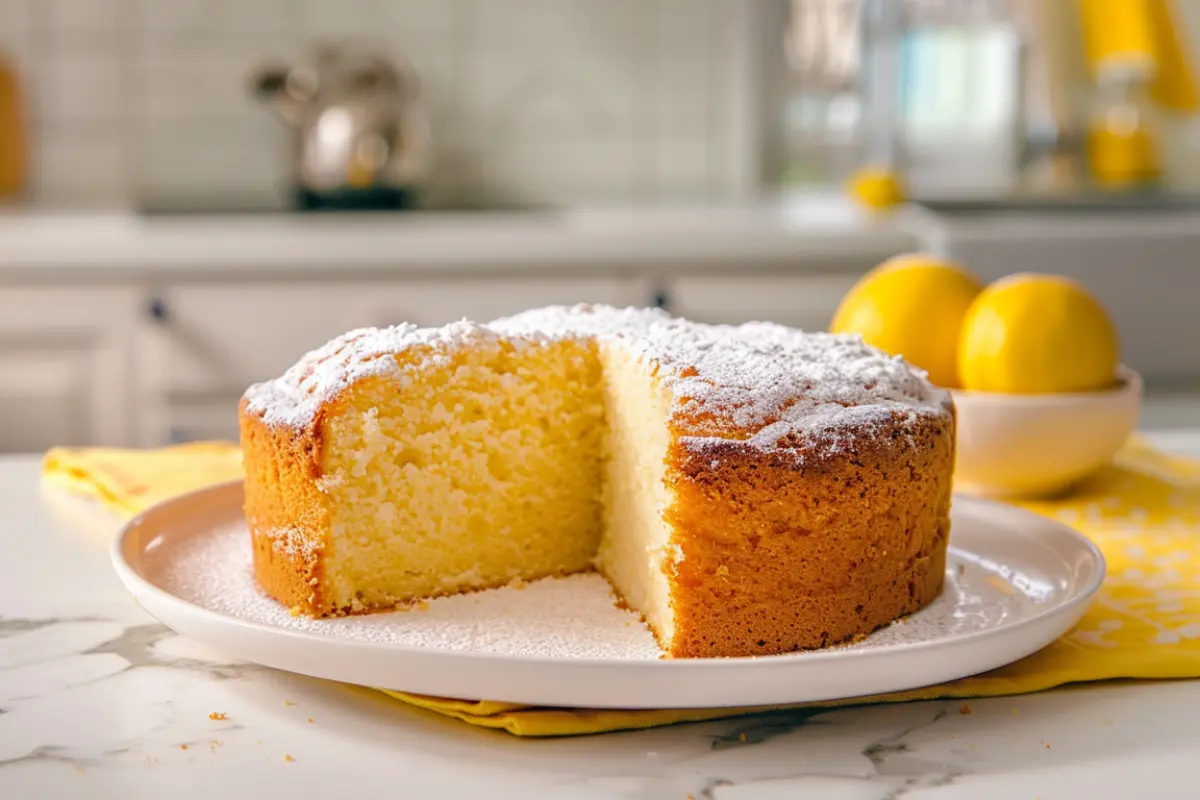
Cake Flavors define whether a cake is remembered or forgotten.
Not the frosting. Not the decoration.
The flavor.
Most home bakers think flavor comes from adding more ingredients.
I used to think the same.
Wait… shouldn’t more flavor mean more stuff?
Actually… no… flavor comes from control, not excess.
This article is built around one idea:
one reliable cake base that supports multiple flavor profiles without breaking texture, moisture, or structure.
This is how professionals work.
This is how consistent Cake Flavors are created.
Table Of Contents
Table of Contents
Cake Flavors: One Master Cake Recipe With Precise Flavor Variations
This master cake recipe is designed to work as a reliable base for multiple flavors.
It produces a soft, even crumb and can be adapted to vanilla, chocolate, lemon, matcha, and more.
- Total Time: 50 minutes
- Yield: 1 cake 1x
Ingredients
2 cups (240 g) all-purpose flour
1½ tsp baking powder
½ tsp baking soda
½ tsp fine salt
½ cup (113 g) unsalted butter, softened
¼ cup (60 ml) neutral oil
1¼ cups (250 g) granulated sugar
2 large eggs, room temperature
¾ cup (180 ml) whole milk, room temperature
1 tsp vanilla extract
Instructions
1. Preheat the oven to 350°F (175°C) and grease a 9-inch round or 8×8-inch pan.
2. Whisk together the flour, baking powder, baking soda, and salt.
3. Cream the butter, oil, and sugar for 2 to 3 minutes until pale and fluffy.
4. Add the eggs one at a time, mixing just until incorporated.
5. Alternate adding the dry ingredients and the milk, starting and ending with the dry ingredients.
6. Pour the batter into the prepared pan and smooth the top.
7. Bake for 30 to 35 minutes, until a toothpick inserted comes out with moist crumbs.
8. Cool in the pan for 10 minutes, then transfer to a rack to cool completely.
Notes
This cake base is intentionally neutral so it can support multiple flavor variations.
Adjust liquids and dry ingredients carefully when adding cocoa, fruit purées, or matcha.
- Prep Time: 15 minutes
- Cook Time: 35 minutes
- Category: Dessert
- Method: Baking
- Cuisine: American
Nutrition
- Serving Size: 1 slice
- Calories: 320
- Sugar: 24 g
- Sodium: 180 mg
- Fat: 15 g
- Saturated Fat: 7 g
- Unsaturated Fat: 7 g
- Trans Fat: 0 g
- Carbohydrates: 42 g
- Fiber: 1 g
- Protein: 5 g
- Cholesterol: 55 mg
Why One Base Recipe Is the Smart Way to Build Cake Flavors
Listen closely when butter and sugar cream together.
That low, steady sound isn’t noise — it’s structure forming.
I spent years rewriting recipes for every flavor.
Vanilla recipe. Lemon recipe. Chocolate recipe.
It looked precise. It wasn’t.
Actually… no… it was inefficient.
A single base allows:
- Consistent crumb
- Predictable rise
- Controlled sweetness
- Clean flavor expression
That foundation is what allows Cake Flavors to change without failure.
Test Note: If a cake tastes good plain, it will taste better flavored.
The Science Behind Cake Flavor Development
Flavor is not just taste.
It’s aroma, fat interaction, acidity, and moisture.
When you bite into a cake, your brain registers smell first.
That’s why flavor depends on:
- Fat → carries aroma
- Sugar → controls perception
- Acid → sharpens notes
- Water → affects crumb softness
Ignore one, and even strong flavors feel flat.
This is where most Cake Flavors fail — not because of weak ingredients, but because the structure underneath wasn’t adjusted.
The Master Cake Recipe (Base for All Variations)
This recipe is intentionally neutral.
It smells warm, lightly sweet, and buttery while mixing.
The batter should feel smooth, thick, and cohesive — not runny.
Ingredients (One 9-inch Round or 8×8 Pan)
Dry Ingredients
- 2 cups (240 g) all-purpose flour
- 1½ tsp baking powder
- ½ tsp baking soda
- ½ tsp fine salt
Wet Ingredients
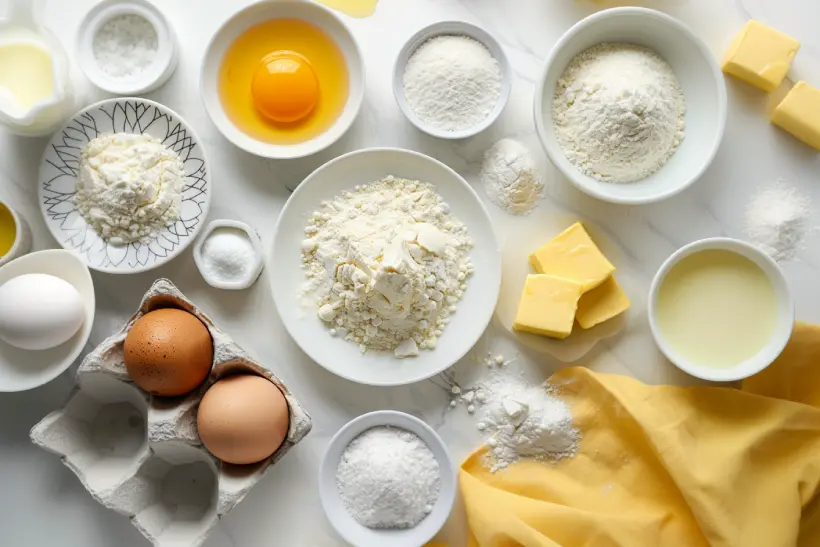
- ½ cup (113 g) unsalted butter, softened
- ¼ cup (60 ml) neutral oil
- 1¼ cups (250 g) granulated sugar
- 2 large eggs, room temperature
- ¾ cup (180 ml) whole milk, room temperature
- 1 tsp vanilla extract
This base is engineered to support a wide range of Cake Flavors without collapse.
Step-by-Step Method (Do Not Rush This)
1. Prepare
- Preheat oven to 350°F / 175°C
- Grease pan and line with parchment
A fully heated oven matters more than people admit.
2. Mix Dry Ingredients
- Whisk flour, baking powder, baking soda, and salt
No lumps.
No shortcuts.
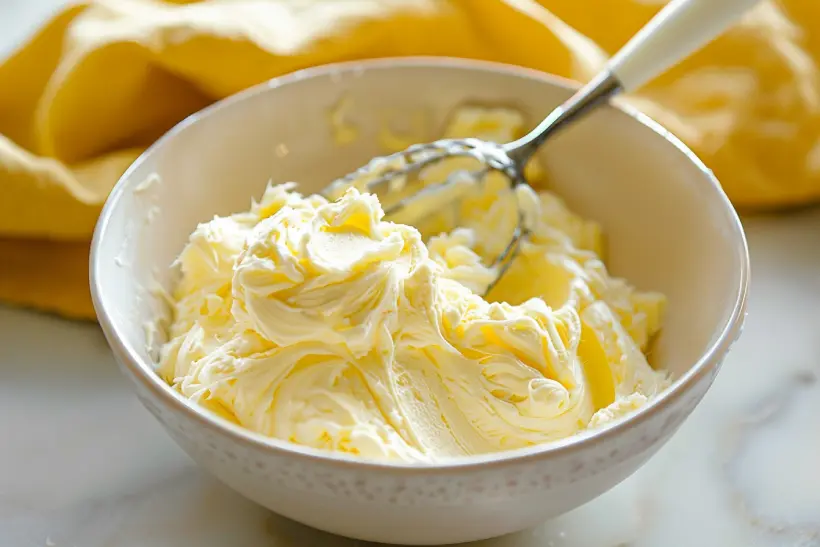
3. Cream Butter, Oil, and Sugar
- Beat for 2–3 minutes
- Mixture should look pale and fluffy
I once skipped proper creaming.
The cake baked.
But the crumb felt tight.
Actually… no… this step is structural, not optional.
4. Add Eggs
- Add eggs one at a time
- Mix just until incorporated
If the batter looks slightly broken, pause.
It will smooth out.
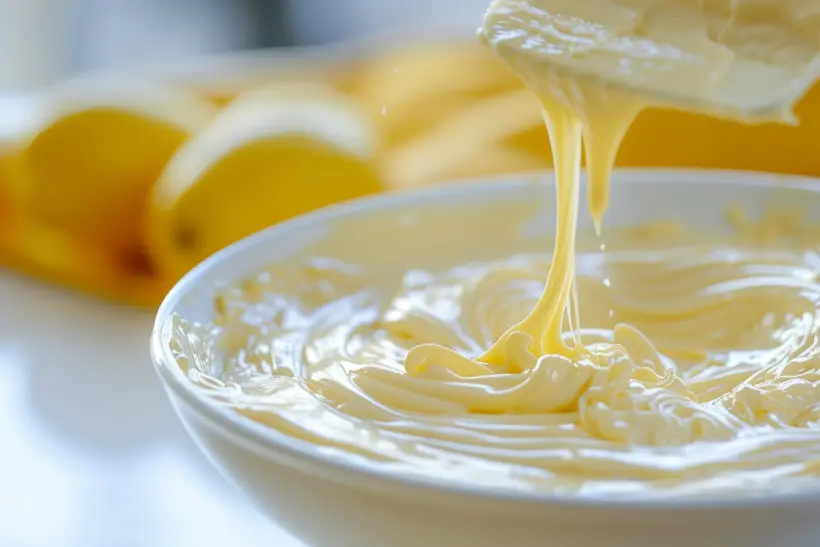
5. Alternate Dry Ingredients and Milk
- Add dry ingredients in 3 additions
- Add milk in 2 additions
- Start and end with dry
This protects the crumb.
6. Bake
- Pour batter into pan
- Bake 30–35 minutes
- Toothpick should show moist crumbs
You’ll hear a soft crackle as the cake settles.
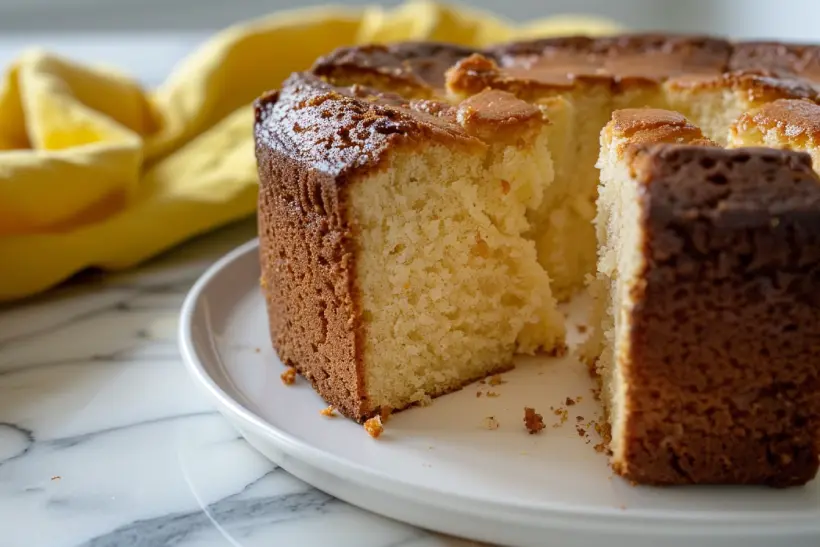
7. Cool
- Cool 10 minutes in pan
- Transfer to rack and cool completely
Warm cakes tear.
Patience saves texture.
How This Base Adapts to Different Cake Flavors
This recipe allows controlled changes to:
- Liquid quantity
- Fat composition
- Dry additions
- Acidity level
That flexibility is what makes consistent Cake Flavors possible.
Flavor Variations (Same Base, Adjusted Precisely)
Vanilla Cake
- Add +1 tsp vanilla extract
- Optional ½ tsp vanilla bean paste
Test Note: Vanilla flavor deepens after resting overnight.
Chocolate Cake
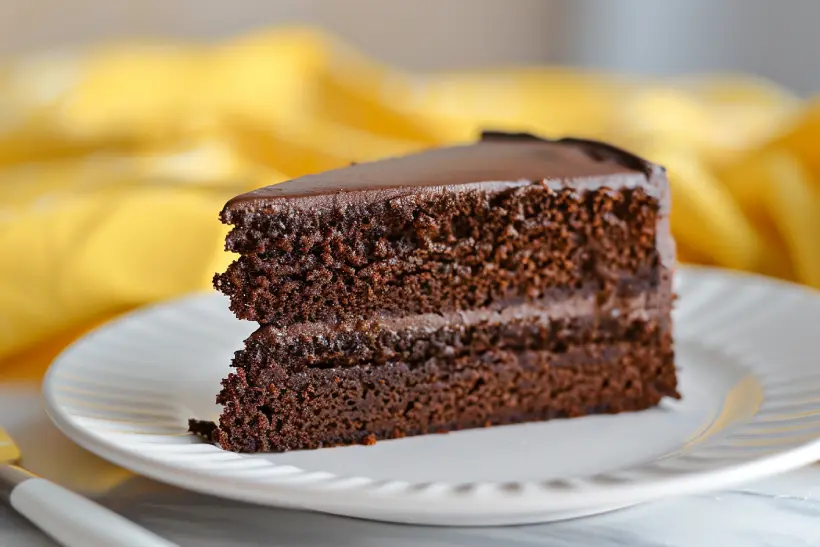
- Replace ¼ cup flour
- Add ¼ cup unsweetened cocoa powder
- Add ¼ cup hot water
Blooming cocoa unlocks depth without drying the crumb.
Lemon Cake
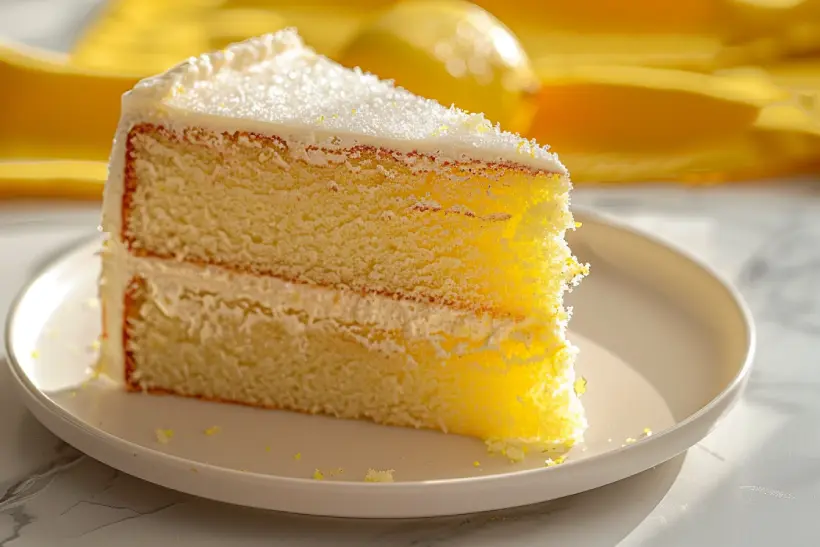
- Add 2 tbsp lemon zest
- Add 2 tbsp lemon juice
- Reduce milk by 2 tbsp
Zest does the heavy lifting here.
Strawberry Cake
- Add ½ cup reduced strawberry purée
- Add 2 tbsp freeze-dried strawberry powder
- Reduce milk by ½ cup
Raw strawberries will ruin structure — don’t do it.
Almond Cake
- Replace ½ cup flour with almond flour
- Add ½ tsp almond extract
More extract does not mean better flavor.
Coconut Cake
- Replace milk with full-fat coconut milk
- Add ½ cup toasted coconut
Toasting matters.
Raw coconut tastes flat.
Carrot Cake Base
- Add 1½ cups finely grated carrots
- Add 1 tsp cinnamon
- Add ¼ tsp nutmeg
- Reduce milk by ¼ cup
Fine grating prevents tunneling.
Pumpkin Spice Cake
- Add ¾ cup pumpkin purée
- Add 1½ tsp pumpkin spice
- Reduce milk by ½ cup
Pumpkin adds moisture, not flavor — spices do the work.
Matcha Cake
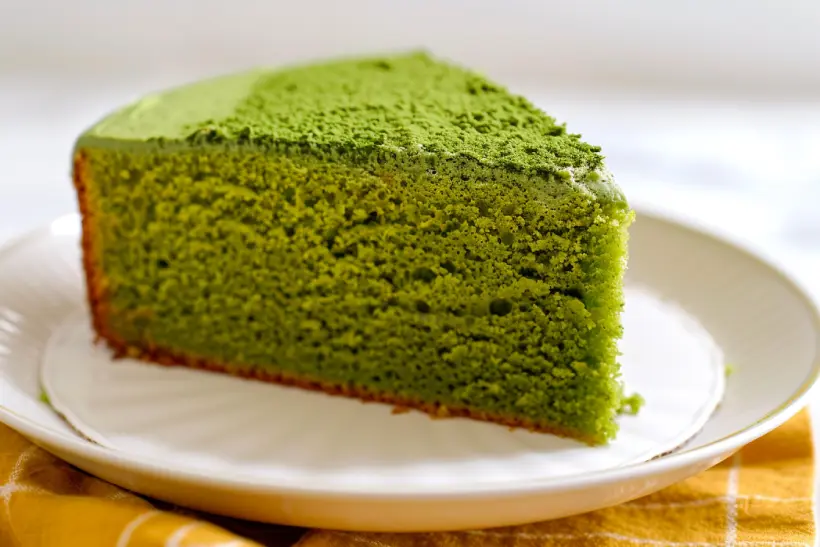
- Add 2 tbsp sifted matcha
- Reduce sugar by 2 tbsp
Too much matcha turns bitter fast.
Earl Grey Cake
- Heat milk
- Steep 2 Earl Grey tea bags
- Cool completely
- Use infused milk in base recipe
Oversteeping creates dryness.
Choosing the Right Frosting
Flavor pairing matters more than decoration.
This approach works especially well for structured chocolate cakes like this Vegan Yule Log Cake, where flavor balance and crumb stability matter more than decoration.
- Vanilla → buttercream
- Chocolate → ganache
- Lemon → cream cheese
- Strawberry → whipped frosting
Test Note: Frosting should support, not dominate.
Common Problems and Fixes
- Dense crumb → overmixing
- Flat flavor → lack of acid
- Dry cake → overbaking
I’ve made every one of these mistakes.
Fixing them is how you learn.
Storage and Shelf Life
- Room temperature: 2 days
- Refrigerator: 5 days
- Freezer (unfrosted): 2 months
Wrap tightly.
Air kills flavor.
FAQ
Can one base cake really handle different flavors?
Yes — but only if you respect the structure.
I’ve seen people try this with weak recipes, and it doesn’t end well.
This base works because the ratios are balanced first.
Flavors come second.
Why does my cake sometimes change texture when I add cocoa or fruit?
Because ingredients behave differently once they’re baked.
Cocoa dries things out.
Fruit adds water.
Most issues come from not adjusting anything else afterward.
That’s where cakes usually fall apart.
Is it okay if my cake doesn’t look exactly like yours?
Absolutely.
If the crumb is soft and the flavor is clear, you’re doing it right.
Perfect visuals don’t mean much if the texture is off.
Can I use this recipe even if I don’t bake often?
Yes — and that’s actually who it’s best for.
You don’t need instinct here.
You just follow the structure and adjust slowly.
What’s the most common mistake people make with flavor variations?
Adding more instead of adjusting.
More cocoa.
More fruit.
More sugar.
Most of the time, less — combined with balance — works better.
What People Said About This Cake Flavor Method
Over time, people started writing after testing the base recipe and the flavor variations.
Not reviews.
Just quick messages, usually sent after the cake was already cooling on the counter.
Sarah M. — Austin, Texas
She wrote late on a Sunday afternoon, saying she tried the base cake twice in one weekend. First as vanilla, then again as lemon. What stood out to her was how consistent the texture stayed. She mentioned that her lemon cakes usually turn dense, but this one didn’t. She said adjusting the liquid instead of adding more flour finally made sense after seeing the result.
Daniel R. — San Diego, California
He sent a short message after baking cupcakes using the chocolate variation. He said they baked evenly, with no sinking in the center and no dry edges. He noted that this was the first time he didn’t need to “fix” the cupcakes after baking, and that following the structure step by step made a bigger difference than changing ingredients.
Emily T. — Portland, Oregon
She mentioned baking the cake for a family dinner and choosing the almond variation. She said the flavor felt present but not overpowering, which surprised her because almond extract usually tastes too strong in her cakes. She wrote that measuring carefully and keeping the extract low changed her approach completely.
Marcus L. — Brooklyn, New York
He said he baked the base cake plain first, just to understand it, before trying any variation. He admitted he almost skipped that step but was glad he didn’t. He wrote that tasting the cake without added flavor helped him understand how the base works and made the later lemon version easier to balance.
Nina K. — Chicago, Illinois
She wrote after freezing an unfrosted layer and using it a week later. She said the texture held better than expected and the flavor didn’t fade. What stood out to her was how much easier it was to plan ahead when the base recipe stayed stable even after freezing.
Conclusion: Mastering Cake Flavors Is About Control, Not Complexity
At some point, every baker reaches the same realization.
Not after a failure.
Not after a collapsed cake.
But after a successful one.
You take a bite.
The crumb is soft.
The flavor is clear.
Nothing feels forced.
And you think, Wait… that was easier than I expected.
Actually… no… it wasn’t easier.
It was more intentional.
That’s the real lesson behind mastering cake flavors.
Building great cakes isn’t about collecting endless recipes.
It’s about understanding how one structure behaves, and how small, precise changes affect the outcome.
When you work from a reliable base:
- You stop guessing
- You stop overcorrecting
- You stop masking problems with sugar
You start tasting what’s really happening.
That’s where confidence comes from.
A strong cake base teaches you restraint.
You learn that:
- Acid sharpens more than sugar ever will
- Fat carries flavor better than quantity
- Moisture must be managed, not added blindly
Those lessons apply whether you’re baking vanilla, lemon, chocolate, or something more nuanced.
And once you see that pattern, you can’t unsee it.
There’s also something freeing about this approach.
You don’t need permission to experiment anymore.
You don’t need a brand-new recipe every time you want a new direction.
You already know:
- what to reduce
- what to replace
- what to leave alone
That’s how consistency is built — not by repetition, but by understanding.
If there’s one idea to carry forward, it’s this:
Good cake flavors are not loud.
They are clear.
They don’t fight the crumb.
They don’t overwhelm the frosting.
They sit comfortably in balance.
And balance is never accidental.
So whether you’re baking for family, for clients, or simply for yourself, come back to the base.
Listen to the batter.
Pay attention to texture.
Taste with intention.
Because once you understand how flavor and structure work together, every cake becomes easier — and better — than the last.
That’s not just baking.
That’s mastery.