

Irish soda bread recipe is one of the easiest traditional breads you can bake at home.
No yeast.
No long rising time.
Just a few basic ingredients and a hot oven.
Flour, baking soda, salt, and buttermilk come together in one bowl to make a simple dough. You shape it into a round loaf, cut a deep cross on top, and bake it for about 35 to 40 minutes.
That’s the whole idea behind an authentic Irish soda bread recipe.
No kneading. No waiting for the dough to rise. The baking soda reacts with the buttermilk and gives the bread its lift while it bakes.
Slowly, the crust turns golden and crisp. Inside, the crumb stays soft and slightly tender.
Slice it while it’s still warm, add a little butter, and you’ll understand why this Irish soda bread recipe has been a staple in Irish kitchens for generations.
Table Of Contents
Table of Contents
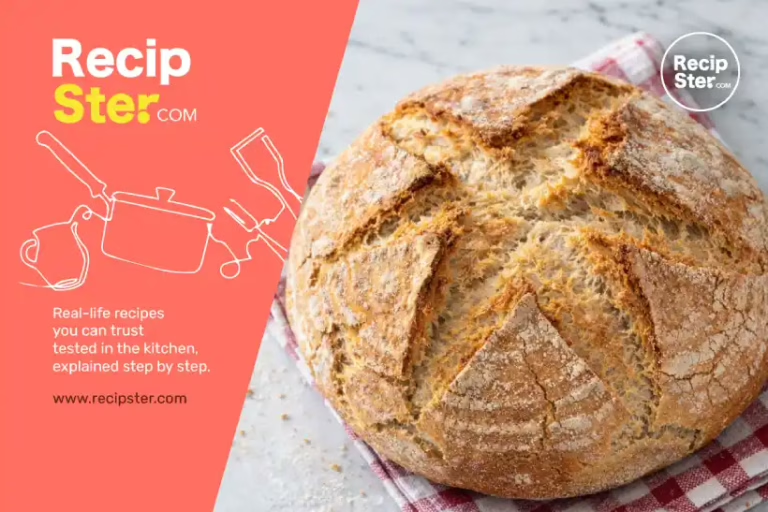
Irish Soda Bread Recipe – Authentic, Easy & Ready in Under 1 Hour
Irish soda bread recipe with a rustic golden crust, tender crumb, and no yeast required. This authentic loaf comes together quickly with flour, baking soda, salt, and buttermilk, making it an easy homemade bread ready in under 1 hour.
- Total Time: 45 minutes
- Yield: 1 loaf (8 slices) 1x
Ingredients
1. 4 cups (480 g) all-purpose flour
2. 1 tsp baking soda
3. 1 tsp kosher salt
4. 1 3/4 cups (420 ml) buttermilk
5. 1 tbsp sugar (optional)
6. 3 tbsp butter (optional)
7. 1/2 cup raisins or currants (optional)
8. 1 tsp caraway seeds (optional)
Instructions
1. Preheat the oven to 425°F (218°C).
2. In a large bowl whisk together the flour, baking soda, and salt.
3. Make a well in the center and pour in the buttermilk.
4. Mix gently with your hand or a wooden spoon until the dough just comes together.
5. Turn the dough onto a lightly floured surface and shape it into a round loaf about 2 inches thick.
6. Use a sharp knife to cut a deep cross in the top.
7. Place the loaf on a baking sheet or in a preheated cast iron skillet.
8. Bake for 35–40 minutes until golden brown.
9. Tap the bottom of the loaf; it should sound hollow or reach 200°F (93°C) internally.
10. Let the bread rest for 10 minutes before slicing.
Notes
1. Do not overmix the dough or the bread may turn tough.
2. If the dough feels too dry add 1–2 tablespoons extra buttermilk.
3. If the dough feels sticky sprinkle 1–2 tablespoons flour.
4. Fresh baking soda is essential for proper rise.
5. Store wrapped in linen at room temperature for up to 2 days or freeze for 2 months.
- Prep Time: 10 minutes
- Cook Time: 35 minutes
- Category: Bread
- Method: Baking
- Cuisine: Irish
- Diet: Vegetarian
Nutrition
- Serving Size: 1 slice
- Calories: 210
- Sugar: 1 g
- Sodium: 390 mg
- Fat: 2 g
- Saturated Fat: 1 g
- Unsaturated Fat: 1 g
- Trans Fat: 0 g
- Carbohydrates: 40 g
- Fiber: 2 g
- Protein: 6 g
- Cholesterol: 5 mg
Why Irish Soda Bread Recipe Works (The Chemistry Behind It)
The beauty of an irish soda bread recipe is its elegant chemistry.
I remember teaching this technique in a culinary workshop once. Someone asked why their loaf tasted slightly metallic. Wait… that question always tells me one thing: too much baking soda.
Here’s what’s happening scientifically:
Key reaction
- Baking soda (sodium bicarbonate) reacts with acidic buttermilk
- The reaction produces carbon dioxide gas
- Gas expands during baking
- Dough rises without yeast
If the ratios are wrong:
- Too much soda → soapy taste
- Too little acid → weak rise
Actually… no… there’s one more factor people miss: mixing time.
Overmixing activates gluten, which leads to tough bread instead of tender crumb.
Test note:
If the dough feels elastic, you’ve mixed too long. Soda bread dough should feel soft and slightly shaggy.
Essential Ingredients That Prevent a Bitter Taste
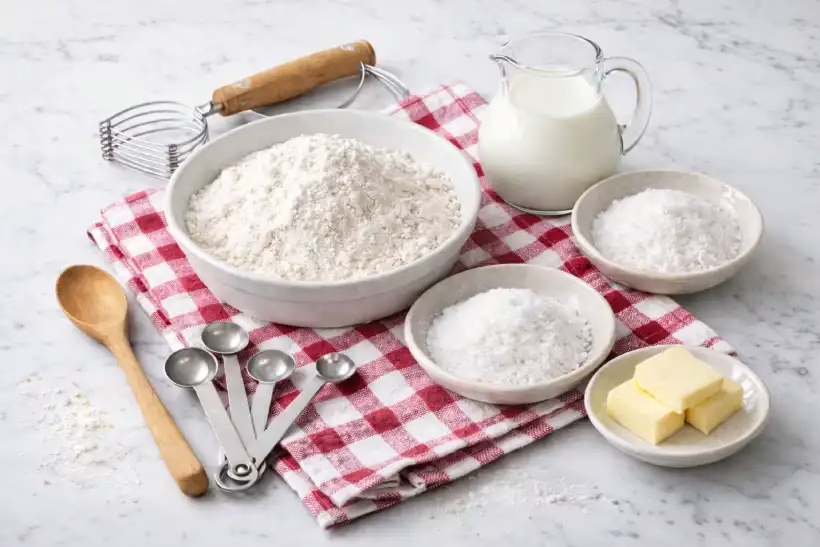
The ingredient list is refreshingly short. But precision still matters.
When I measure flour, I always pause for a second. Wait… did I scoop or spoon? Actually… no… always spoon and level. Scooping compresses flour and throws off hydration.
Core Ingredients
- 4 cups (480 g) all-purpose flour
- 1 tsp baking soda
- 1 tsp kosher salt
- 1 ¾ cups (420 ml) buttermilk
That’s the traditional base.
Optional additions (very common in Irish homes)
- 1 tbsp sugar – slight sweetness
- 3 tbsp butter – richer crumb
- ½ cup raisins or currants
- 1 tsp caraway seeds
The smell of caraway warming in the oven? Earthy, slightly peppery… it’s unmistakably old-world Irish.
Test note:
If your kitchen is dry, the dough may need 1–2 extra tablespoons buttermilk.
Tools That Make the Process Easier
You technically need very little equipment.
Still, certain tools improve results dramatically.
Recommended Tools
- Large mixing bowl
- Bench scraper
- Cast iron skillet or baking sheet
- Sharp knife or bread lame
- Cooling rack
I prefer cast iron because it stores heat.
Actually… no… it doesn’t just store heat—it radiates it evenly, helping develop that deep golden crust soda bread is famous for.
Test note:
Preheating the skillet produces better bottom crust texture.
Step-by-Step Irish Soda Bread Recipe
Let’s move through the process with precision.
You’ll notice the dough comes together fast. That’s intentional.
1. Preheat the Oven
Set oven to 425°F (218°C).
High heat matters.
Wait… why so hot?
Because soda bread needs rapid oven spring before the crust sets.
2. Mix Dry Ingredients
In a large bowl combine:
- 4 cups flour
- 1 tsp baking soda
- 1 tsp salt
Whisk evenly.
Actually… no… whisking isn’t just mixing—it distributes the baking soda uniformly, preventing bitter pockets.
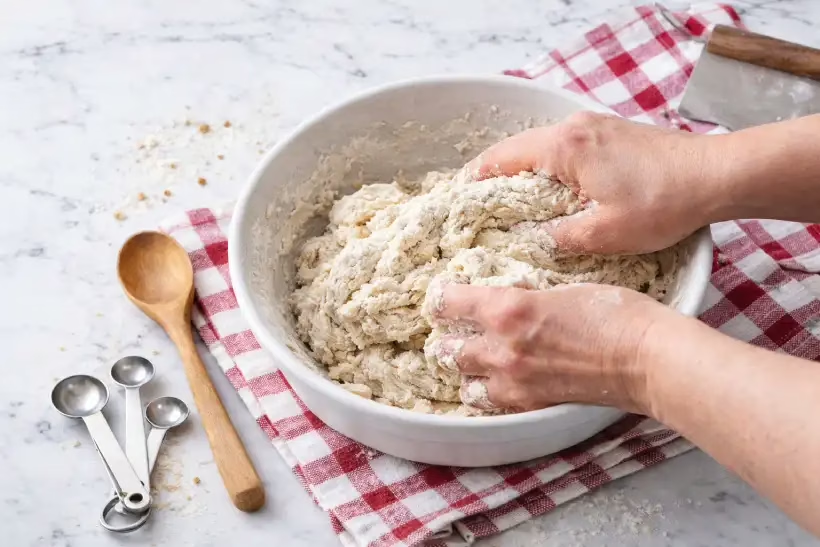
3. Add Buttermilk
Make a well in the center of the flour mixture.
Pour in:
- 1¾ cups buttermilk
Mix gently with your hand or wooden spoon.
Stop when the dough just comes together.
Test note:
If dough sticks aggressively to your fingers, sprinkle 1–2 tbsp flour.
4. Shape the Dough
Turn dough onto a lightly floured surface.
Form into a round loaf about 2 inches thick.
No kneading.
Wait… actually… a light fold or two is fine. But anything more develops gluten.
5. Score the Cross
Use a sharp knife to cut a deep cross in the top.
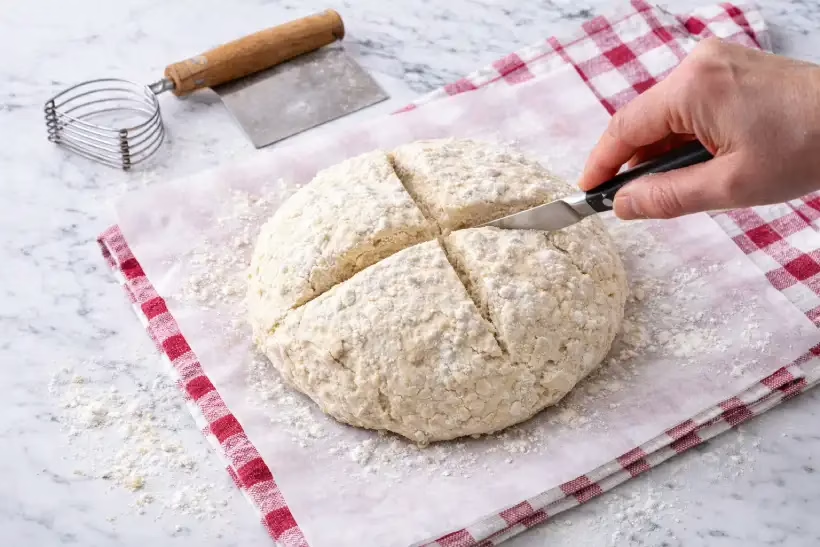
Traditional Irish bakers say the cross “lets the fairies out.”
Actually… no… from a technical standpoint it does two things:
- Allows steam expansion
- Helps the center cook evenly
6. Bake
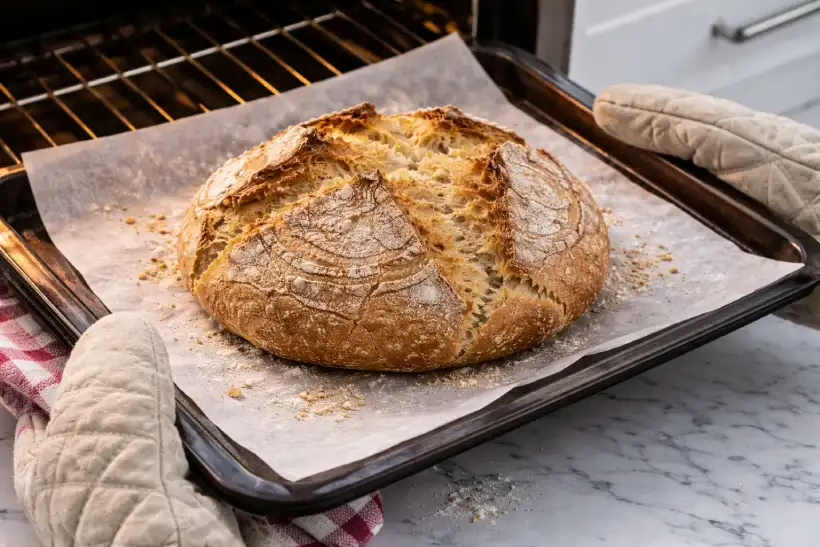
Place loaf in skillet or on baking sheet.
Bake for:
- 35–40 minutes
The kitchen will fill with a toasty, nutty wheat aroma.
That smell? That’s the Maillard reaction happening on the crust.
7. Check for Doneness
Tap the bottom of the loaf.
You want a deep hollow sound.
If unsure, internal temperature should reach 200°F (93°C).
Common Mistakes to Avoid
Even simple recipes have pitfalls.
I’ve seen hundreds of soda bread loaves go wrong for the same reasons.
1. Overmixing the Dough
This creates tough bread.
Remember:
- Mix until combined
- Stop immediately
2. Too Much Baking Soda
Excess soda causes:
- Bitter taste
- Yellow crumb
Stick with 1 teaspoon per 4 cups flour.
3. Not Scoring the Bread
Without the cross, the loaf may crack unpredictably.
Actually… no… it almost always will.
4. Using Old Baking Soda
Baking soda loses potency.
Test note:
Drop a pinch into vinegar. If it doesn’t fizz strongly, replace it.
Traditional Irish Variations
Ireland has several regional styles.
The smell of these baking in rural kitchens peat fires, stone ovens—creates something deeply nostalgic.
Brown Soda Bread
Uses whole wheat flour.
Flavor profile:
- Nutty
- Hearty
- Slightly earthy
Spotted Dog
Sweet variation with:
- Raisins
- Sugar
- Sometimes butter
Children in Ireland love this version.
Seeded Soda Bread
Often includes:
- Caraway
- Oats
- Flax
Texture becomes crunchy and aromatic.
Serving Ideas
Fresh soda bread is best slightly warm.
Many people also enjoy soda bread for breakfast with butter and jam, served alongside a mug of this comforting coffee and hot chocolate mix.
The crust crackles under the knife. The interior releases steam.
Wait… actually… give it 10 minutes to rest first. Cutting too early compresses the crumb.

Classic pairings
A thick slice of soda bread is also perfect alongside a warm bowl of roasted vegetable soup, especially on colder days when you want something simple and comforting.
- Salted butter
- Orange marmalade
- Irish cheddar
- Smoked salmon
- Hearty soups
My personal favorite?
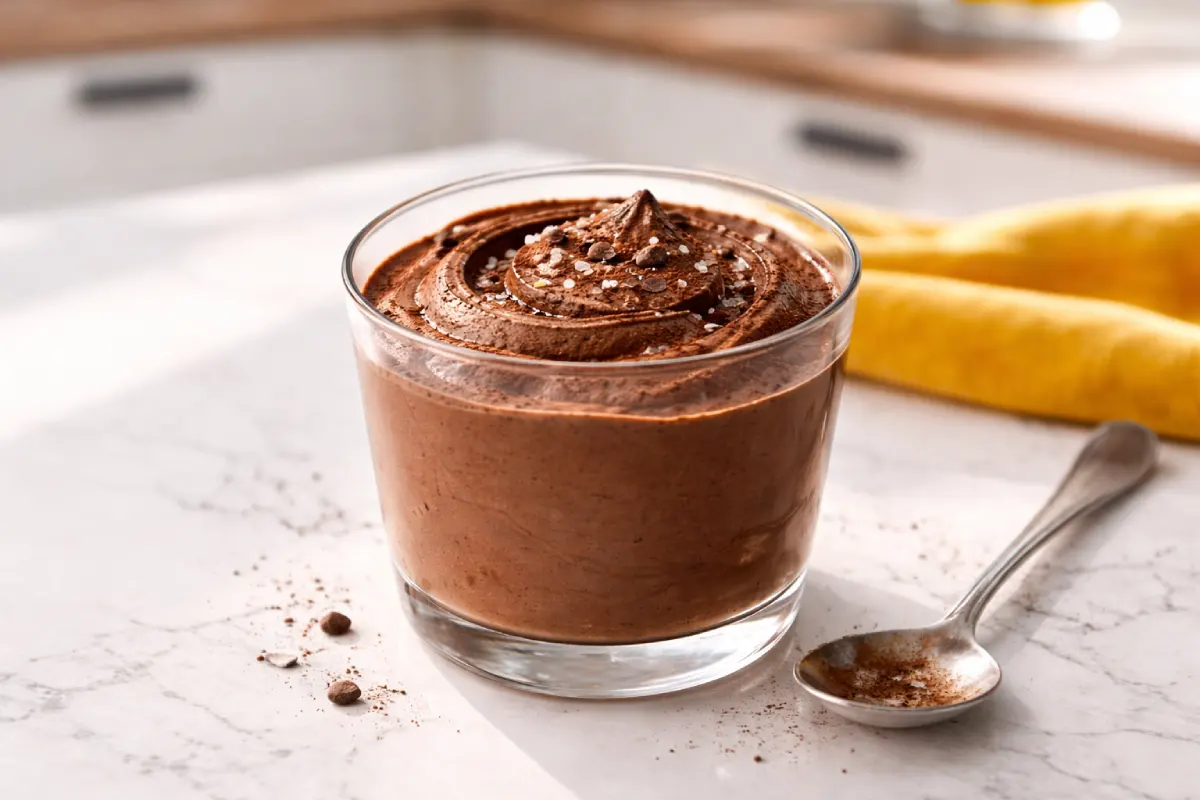
After a rustic meal with soda bread, a light dessert like this cottage cheese chocolate mousse balances the meal without feeling too heavy.
Butter melting into a warm slice, tiny golden rivers soaking into the crumb.
Storage Tips
Soda bread doesn’t last as long as yeast bread.
Why?
Because it lacks fermentation preservatives.
Best storage method
- Wrap in linen or paper
- Store at room temperature
Shelf life:
- 2 days fresh
- 5 days refrigerated
For longer storage:
- Slice
- Freeze up to 2 months
Toast straight from frozen.
Reheating for Best Texture
Cold soda bread can feel slightly firm.
Reheat like this:
- Oven: 325°F (160°C) for 8 minutes
- Toaster: medium setting
The crust crisps again beautifully.
Actually… no… sometimes it’s even better than day one.
If This Recipe Fails, Read This
Even a well-tested Irish soda bread recipe can go sideways sometimes.
I’ve seen it happen in teaching kitchens more than once.
The loaf comes out too dense, the crust looks fine but the crumb feels heavy.
Wait… that usually tells us something about the process.
Before changing the entire recipe, it’s better to check a few very specific variables. Most soda bread issues come from three things: mixing, leavening strength, or hydration.
Below is a quick diagnostic table I often use with students.
| Problem | What You Notice | Most Likely Cause | What To Do Next Time |
|---|---|---|---|
| Dense loaf | Bread feels heavy and tight inside | Dough was overmixed | Mix only until flour disappears |
| Flat bread | Loaf spreads instead of rising | Baking soda is old | Replace baking soda before baking |
| Dry crumb | Bread feels crumbly or stiff | Not enough buttermilk | Add 1–2 tbsp extra liquid |
| Cracked unevenly | Bread splits randomly | Cross was not scored | Cut a deep cross before baking |
| Pale crust | Bread looks underbaked | Oven wasn’t hot enough | Preheat fully to 425°F (218°C) |
Actually… no… there’s one more detail that rarely gets mentioned.
Temperature.
An Irish soda bread recipe depends on a fast chemical reaction between baking soda and buttermilk. If the oven isn’t fully hot when the loaf goes in, that reaction slows down and the bread loses its lift.
That’s why I always recommend letting the oven heat for at least 15 minutes after it reaches temperature.
Small adjustment.
Big difference.
And once these details are dialed in, an Irish soda bread recipe becomes one of the most reliable breads you can bake.
FAQ – Irish Soda Bread Recipe
Why is my Irish soda bread dense?
Usually caused by:
Overmixing
Too little buttermilk
Expired baking soda
Can I make soda bread without buttermilk?
Yes. Mix:
1¾ cups milk
1 tbsp lemon juice or vinegar
Let sit 5 minutes.
Why do you cut a cross in soda bread?
It allows:
Even heat penetration
Better oven spring
Traditionally, it was said to bless the bread.
Can Irish soda bread be made gluten-free?
Yes.
Use a 1:1 gluten-free baking flour blend and slightly increase hydration.
How do you know when soda bread is done?
Two reliable signs:
Hollow sound when tapped
Internal temperature 200°F
Why does soda bread taste bitter?
Usually from too much baking soda or uneven mixing.
Conclusion
An Irish soda bread recipe is one of those breads that feels almost too simple at first.
Flour.
Buttermilk.
Salt.
Baking soda.
That’s basically the whole story.
The first time you mix it, the dough might look a little rough. Not smooth like yeast dough. A bit shaggy. Honestly, that’s normal. Actually… it’s exactly what you want.
Overworking it is where people run into trouble.
So keep it simple. Mix until the flour disappears, shape it gently, and into the oven it goes. The heat does the rest. After a few minutes, the crust starts turning golden and the smell… warm wheat, toasted edges… slowly fills the kitchen.
That’s usually the moment people wander in and ask what’s baking.
A good Irish soda bread recipe doesn’t try to be fancy. It’s just practical baking. Quick, reliable, and built around ingredients most kitchens already have.
Once you make it a couple of times, you stop thinking about the instructions so much. You just look at the dough, feel if it needs a little flour, maybe a splash more buttermilk.
Then bake it. Slice it. Add butter.
Simple bread, yes.
But a well-made Irish soda bread recipe still has a way of feeling special every time it comes out of the oven.