

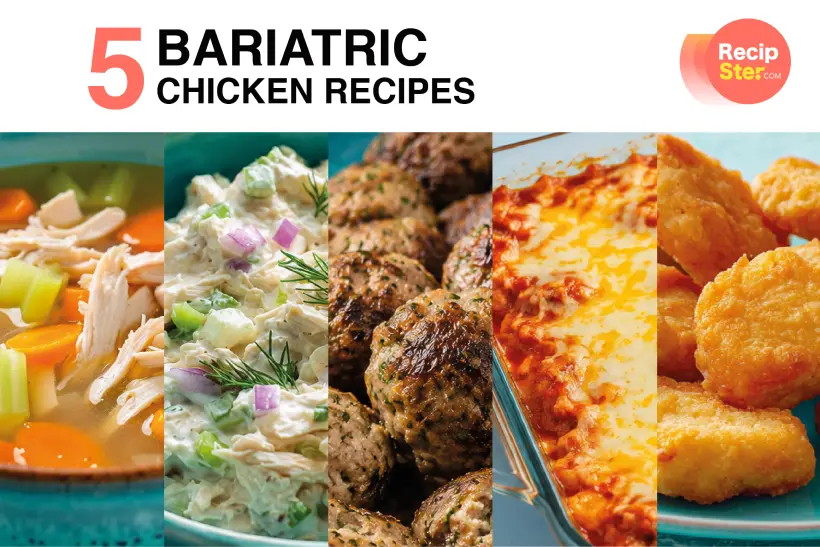
Chicken is an easy way to add protein to a small meal, but it is not automatically easy to eat after bariatric surgery. A plain chicken breast can turn dry, long shreds can feel stringy, and a standard dinner portion may be much larger than you need.
These five bariatric chicken recipes take a more practical approach. Each one keeps the chicken moist, makes the serving easy to measure, and provides an estimated 20 to 25 grams of protein per calculated full serving. Choose from mini meatballs, creamy chicken salad, adaptable chicken soup, bread-free nuggets, or a soft enchilada bake.
Medical note: These recipes are not suitable for every postoperative stage. The American Society for Metabolic and Bariatric Surgery explains that patients usually progress from liquids toward solid foods, but the timing and protein prescription come from the individual bariatric team. Use only the ingredients, texture, and portion your surgeon or registered dietitian has cleared.
Table Of Contents
Table of Contents
Bariatric Chicken Recipes at a Glance
| Recipe | Best for | Calculated serving | Estimated protein | Main texture |
|---|---|---|---|---|
| Chicken meatballs | Countable meal-prep portions | 4 mini meatballs | 22 g | Soft and springy |
| Chicken salad | Fast cold lunches | 1/2 cup | 25 g | Creamy, finely shredded |
| Chicken soup | Adjustable texture | 1 cup | 20 g | Smooth, finely shredded, or chunky |
| Chicken nuggets | A small handheld portion | 3 nuggets | 22 g | Tender center, lightly crisp edge |
| Chicken enchilada bake | Freezer-friendly comfort food | 1/8 casserole | 24 g | Soft and scoopable |
These serving sizes are used to calculate nutrition; they are not postoperative portion prescriptions. If your approved meal is smaller, use the nutrition information on the individual recipe page to estimate a half portion, one nugget, or a smaller number of meatballs.
What Makes a Chicken Recipe Bariatric-Friendly?
“High protein” is useful, but it is not enough. A bariatric chicken recipe also needs a texture you can tolerate, a portion you can measure, and enough moisture to prevent the meat from becoming difficult to chew.
The most useful recipes share five qualities:
- Protein stays at the center of the meal. Chicken supplies most of the serving rather than disappearing under breading, tortillas, pasta, or rice.
- Moisture is built into the recipe. Broth, Greek yogurt, cottage cheese, finely grated zucchini, or a measured sauce helps protect the chicken from drying out.
- The portion is visible. Mini meatballs and nuggets can be counted; soup and chicken salad can be measured; a casserole can be divided before storage.
- The texture can be described clearly. “Soft,” “puréed,” and “regular” are not interchangeable. Your bariatric team decides which texture is appropriate.
- The nutrition is transparent. Protein, calories, carbohydrates, and serving size should be stated together so a large calculated serving is not mistaken for a required portion.
The ASMBS notes that many programs recommend 60 to 100 grams of protein per day. That is a broad range, not a personal target. UCSF Health also emphasizes small portions, slow eating, and thorough chewing. Follow the goals and food progression given by your own care team.
How to Choose the Right Recipe
Start with the texture and ingredients you have already been cleared to eat, then choose according to the way you want to cook and portion the meal.
| If you need… | Start with… | Why it may be practical |
| A texture that can be blended completely | Chicken soup | The chicken, vegetables, and broth can become a uniform purée when that texture is approved |
| A soft, spoonable solid meal | Chicken enchilada bake | Sauce and blended cottage cheese keep short chicken pieces moist |
| A portion you can count | Meatballs or nuggets | Each piece has an estimated protein value |
| A quick lunch using cooked chicken | Chicken salad | It takes about 15 minutes and needs no cooking |
| A freezer-friendly batch | Meatballs, soup, or enchilada bake | All three divide cleanly into small containers |
Food-stage labels differ among bariatric programs. A recipe described as soft is not automatically appropriate for your soft-food stage, because your plan may not yet include every ingredient in it.
1. Bariatric Chicken Meatballs
These bariatric chicken meatballs use grated zucchini and Greek yogurt to keep ground chicken tender. Egg and Parmesan provide structure, so the meatballs hold together without breadcrumbs, flour, or oats.
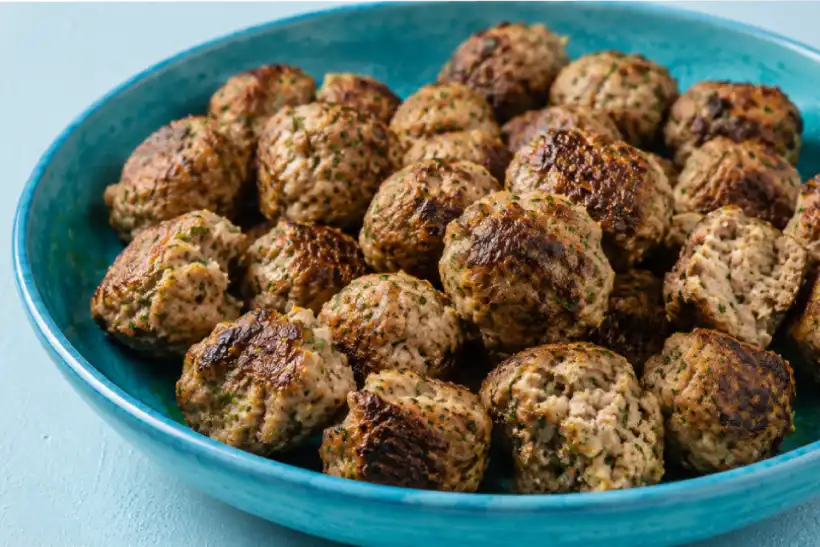
The batch makes 20 mini meatballs. Four provide an estimated 22 grams of protein, while two provide about 11 grams and three provide about 16 grams. That makes this the easiest recipe in the collection to adjust by whole pieces.
The key is to keep the raw mixture slightly tacky and handle it lightly. Packing the portions too firmly or baking them well past 165°F can turn lean ground chicken dense. For meal prep, cool the meatballs, pack them in two-, three-, or four-piece portions, and reheat them covered with a spoonful of broth or an approved sauce.
Best choice for: counted portions, meal prep, freezing, and anyone who prefers ground chicken to long shreds.
2. Bariatric Chicken Salad
This bariatric chicken salad combines finely shredded chicken with plain Greek yogurt instead of an all-mayonnaise dressing. The result is creamy, protein-forward, and ready in about 15 minutes when the chicken is already cooked.
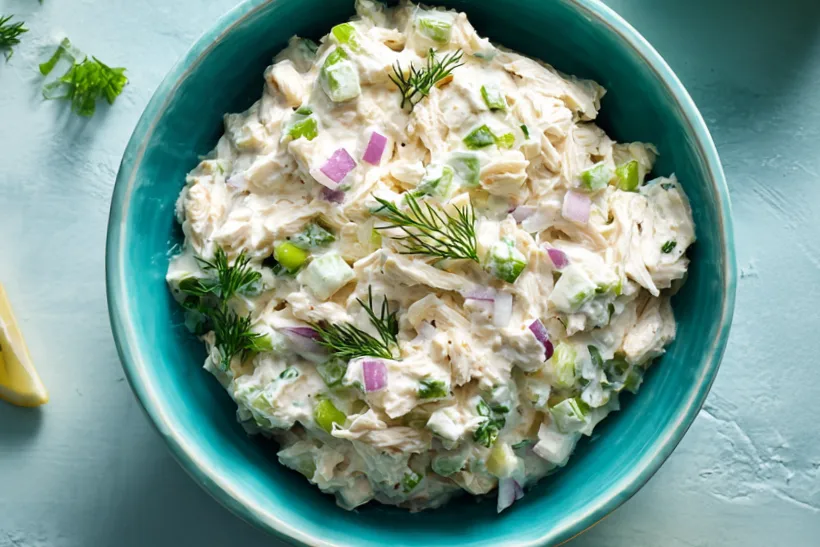
A 1/2-cup calculated serving provides about 25 grams of protein and 140 calories. A smaller 1/4-cup portion provides approximately 12.5 grams of protein. Those two measurements make it easier to scale the meal without guessing.
Celery and red onion are optional. Omit them when raw vegetables have not been approved or when you want a more uniform texture. Finely chop the chicken across the shreds and add broth one teaspoon at a time if the mixture feels dry. It should hold on a spoon without feeling compact.
Best choice for: a quick cold lunch, rotisserie or leftover chicken, and no-cook meal prep.
3. Bariatric Chicken Soup
The most adaptable recipe in the collection is this bariatric chicken soup. It uses lean chicken, no-salt-added broth, and vegetables that cook until soft. Depending on what your care team has approved, a serving can be blended completely smooth or finished with very finely shredded chicken.

The finished eight-cup batch provides an estimated 20 grams of protein per cup, 10 grams per 1/2 cup, or 5 grams per 1/4 cup. Clear broth alone contains much less protein than the complete soup, so do not treat strained broth as nutritionally equivalent to the chicken-and-vegetable version.
For a puréed texture, blend the chicken, vegetables, and enough broth until no fibers, shreds, skins, or lumps remain. For a later approved texture, cut the chicken strands shorter than you would for ordinary chicken soup and keep them well coated with broth.
Best choice for: adjustable texture, small freezer portions, a warm meal, and controlled sodium.
4. Bariatric Chicken Nuggets
These bariatric chicken nuggets are made with thoroughly drained canned chicken, egg, part-skim mozzarella, Parmesan, and a small amount of Greek yogurt. They contain no breadcrumbs and can be cooked in the oven or air fryer.
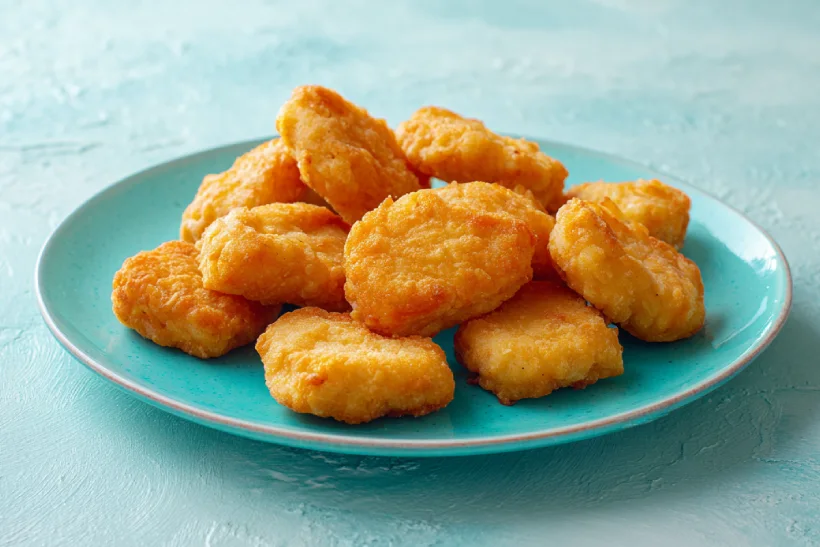
Three nuggets provide an estimated 22 grams of protein, 140 calories, and about 2 grams of carbohydrates. One nugget contains roughly 7 grams of protein, which makes a smaller portion easy to calculate.
These nuggets should be tender inside with lightly colored edges; they will not develop the thick brown crust of a fried, breaded nugget. Drain the chicken exceptionally well, chill the mixture before shaping, and remove the nuggets when the centers reach 165°F rather than waiting for a darker exterior.
Best choice for: oven or air-fryer cooking, countable portions, and a bread-free handheld meal after the appropriate texture has been approved.
5. Bariatric Chicken Enchilada Bake
This bariatric chicken enchilada bake turns cooked chicken into a soft, saucy casserole without tortilla layers. Blended cottage cheese adds protein and moisture without relying on a large block of cream cheese.

One-eighth of the casserole provides an estimated 24 grams of protein and 170 calories. If that amount is larger than your plan allows, dividing the pan into 16 portions produces approximately 12 grams of protein per portion.
The chicken is shredded and then chopped across the grain to shorten its fibers. Cottage cheese and enchilada sauce fill the spaces between the pieces, so the finished casserole should be soft enough to scoop. Do not keep baking until it cuts like lasagna; extra time usually dries the chicken and makes the cheese rubbery.
Best choice for: using cooked or rotisserie chicken, freezer meals, family meal prep, and a soft, comforting texture once every ingredient has been approved.
How to Keep Chicken Moist After Bariatric Surgery
Dryness is not just a flavor problem. Dry chicken requires more chewing and may be harder to tolerate. These techniques improve texture across all five recipes:
Shorten the chicken fibers
Use ground chicken, canned chicken, or cooked chicken that has been shredded and then chopped across the grain. Long, dry strands are more likely to gather into a difficult bite.
Add moisture without burying the protein
Use enough broth, plain Greek yogurt, blended cottage cheese, grated zucchini, or sauce to coat the chicken. Add liquid gradually; the goal is moist and cohesive, not watery.
Stop cooking at the safe temperature
All poultry, including ground chicken, should reach 165°F/74°C. Once a small nugget or meatball reaches that point, extra cooking generally removes moisture rather than improving it. FoodSafety.gov confirms the 165°F minimum for poultry.
Reheat one portion at a time
Place one measured serving in a covered container with a teaspoon of broth or sauce. Gentle, covered reheating protects the edges and prevents the entire batch from being warmed repeatedly.
Bariatric Chicken Meal Prep and Storage
Portion the food before refrigerating it. A container labeled “3 meatballs — approximately 16 g protein” is more useful than a large box that has to be estimated at every meal.
Cool cooked food promptly in shallow containers and refrigerate it within two hours. Use refrigerated chicken leftovers within three to four days or freeze the portions you will not use in that window. Reheat leftovers to 165°F/74°C. These storage limits follow current FoodSafety.gov leftover guidance.
For the best reheated texture:
- pack soup in several small containers rather than one large pot;
- freeze meatballs first in a single layer, then transfer them to portion bags;
- add a small spoonful of sauce to enchilada bake before reheating;
- expect frozen chicken salad to separate slightly after thawing;
- reheat nuggets only until the centers are hot, because their edges dry quickly.
Frequently Asked Questions
Is chicken good after bariatric surgery?
Chicken is a concentrated source of protein, but suitability depends on your postoperative stage and tolerance. Moist ground, finely shredded, or sauced chicken may be easier to manage than a dry chicken breast. Follow your bariatric team’s food progression.
When can I eat chicken after gastric sleeve or gastric bypass?
There is no universal week. Programs use different timelines, and “chicken” can mean clear broth, a completely smooth purée, finely ground meat, or a regular piece of poultry. Use only the form your surgeon or registered dietitian has approved.
Which bariatric chicken recipe has the most protein?
Among these calculated full servings, chicken salad provides about 25 grams, enchilada bake 24 grams, meatballs and nuggets 22 grams, and soup 20 grams. The listed servings are not prescriptions; a smaller approved portion provides proportionally less.
What is the easiest bariatric chicken recipe for meal prep?
Meatballs are the easiest to count, soup is the easiest to freeze in different volumes, and enchilada bake is convenient for batch cooking. Chicken salad is fastest when cooked chicken is already available.
Can I use rotisserie chicken?
Yes, in the chicken salad, soup, and enchilada bake. Remove the skin, choose moist meat, chop it finely, and check the label when sodium matters. Rotisserie chicken is already seasoned, so taste the finished mixture before adding salt.
Can I use canned chicken?
Yes, in the chicken salad, soup, and enchilada bake. Remove the skin, choose moist meat, chop it finely, and check the label when sodium matters. Rotisserie chicken is already seasoned, so taste the finished mixture before adding salt.
Can I use canned chicken?
Well-drained canned chicken works especially well in the nuggets and can also create a fine texture in chicken salad or enchilada bake. Sodium and drained weight vary by brand, so the final nutrition may differ.
Are these recipes suitable for the puréed stage?
Not as written. The soup is the only recipe designed to be blended into a completely uniform purée, and it should still be used only when your care team has approved every ingredient. A soft meatball, nugget, salad, or casserole is not the same as a purée.
Build a Chicken Rotation You Will Actually Use
The best bariatric chicken recipe is not simply the one with the highest protein number. It is the one that matches your approved texture, fits your current portion, reheats without drying out, and still sounds appealing when it is time to eat.
Choose chicken soup when you need an adjustable texture, salad for a quick cold lunch, nuggets or meatballs for countable portions, and enchilada bake when you want a soft freezer-friendly meal. Whichever recipe you choose, measure the serving, eat slowly, chew thoroughly, and stop at your first sign of fullness.